




Technical Specifications
| Parameter | Range |
|---|---|
| Size Range | DN15 - DN1400 (1/2" - 56") |
| Pressure Class | 150LB - 2500LB (PN10 - PN420) |
| Temperature Range | -196°C to +650°C (depending on seat material) |
| Body Materials | WCB, WCC, LCB, LCC, CF8, CF8M, CF3, CF3M, forged A105, F304, F316 |
| Seat Materials | PTFE, RPTFE, Nylon, PEEK, metal-to-metal (Stellite), Devlon |
| Ball Materials | SS304, SS316, duplex steel, Inconel, Monel (with spray welding) |
| Operation | Manual lever, worm gear, electric actuator, pneumatic actuator, gas-liquid linkage |
| End Connections | Flanged (RF/RTJ), butt weld (BW), socket weld (SW), threaded (NPT/BSP) |
| Design Standards | API 6D, API 608, ASME B16.34, ISO 17292, GB/T 12237, DIN 3357 |
| Fire Safe | API 607, API 6FA, ISO 10497 compliant |
| Fugitive Emission | ISO 15848-1, SIL 2/3 certified |
Ball Valve Product Range
Lianggu Valve Group offers 50+ ball valve models across multiple series:
1. Full Welded Series
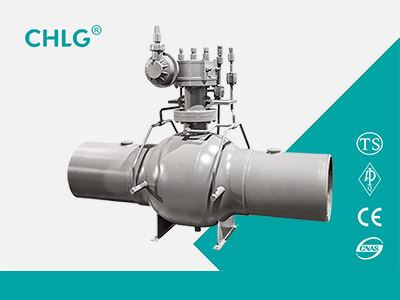
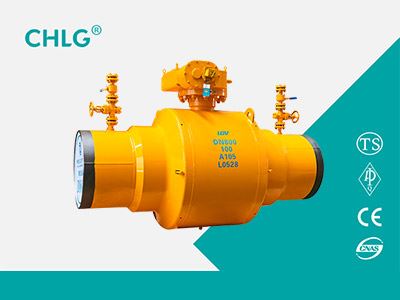
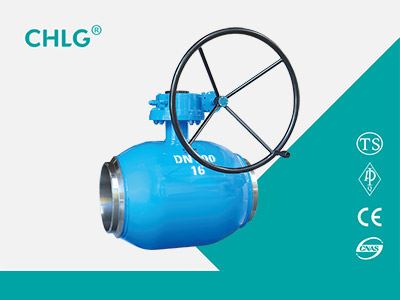
Full Welded Ball Valve
Completely welded body, zero external leakage, designed for buried pipeline and long-distance transmission applications. 30+ year maintenance-free service life.
Full WeldedBuriedZero LeakFull Welded Ball Valve (High Pressure)
High pressure variant of full welded ball valve for transmission pipelines up to Class 900.
High PressurePipelineClass 9002. Gas Special Series
Double Release Gas Special Ball Valve
Double block and bleed (DBB) design for gas transmission and distribution. Gas-liquid linkage actuator compatible. SIL certified.
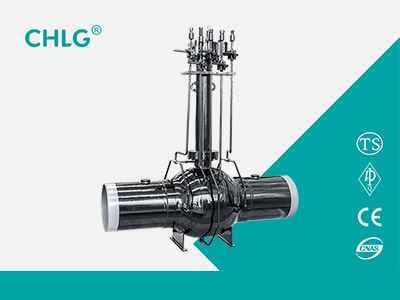
DBBGas SpecialSILDouble Release Gas Valve (Direct Buried)
Direct-buried gas ball valve with extended stem and waterproof bonnet. For urban gas pipeline networks.
Direct BuriedUrban GasExtended StemDouble Release Gas Valve (High Pressure)
High pressure gas ball valve for city gas transmission mains. Fire-safe design, anti-static, blow-out proof stem.
High PressureFire SafeAnti-static3. Trunnion Mounted Series
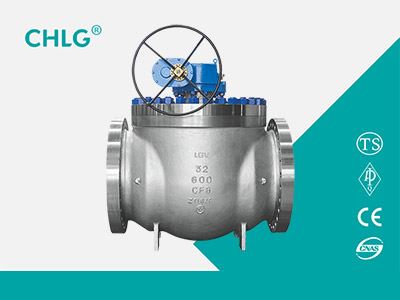
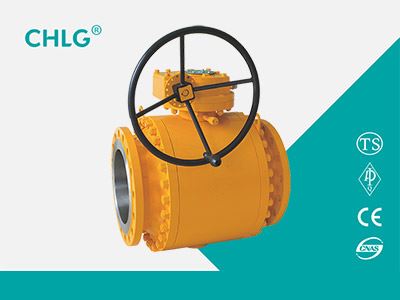
Trunnion Mounted Ball Valve
Trunnion mounted design for large diameter and high pressure. Reduced operating torque. Spring-loaded seats for bidirectional sealing.
TrunnionLarge DiameterBidirection4. Floating Series
Soft Sealed Floating Ball Valve
Floating ball design with soft seat (PTFE/RPTFE) for bubble-tight shut-off. Ideal for clean media and moderate temperatures.
FloatingSoft SealBubble Tight5. High Pressure Forged Series
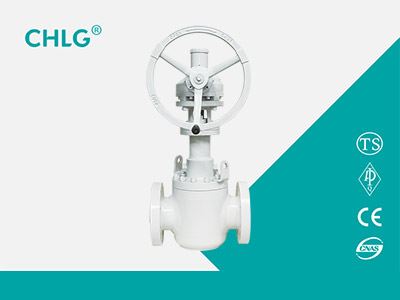
High Pressure Forged Steel Ball Valve
Forged steel body for high pressure applications up to 2500LB. Metal-to-metal sealing option for high temperature service.
Forged Steel2500LBMetal Seat6. Special Sealing Series
Forced Sealing Ball Valve
Metal-seated with forced sealing mechanism for high temperature and abrasive media. Suitable for power plant and refinery applications.
Forced SealMetal SeatHigh TempIndustry Applications
- Oil & Gas Transmission: Long-distance pipelines, station isolation, metering skids — Full welded ball valves
- City Gas Distribution: Urban gas networks, regulator stations — Gas special double release ball valves
- Power Plants: Boiler feedwater, steam systems, cooling water — Forged steel, high pressure ball valves
- Petrochemical: Crude oil, refined products, chemical feedstocks — Floating & trunnion ball valves
- LNG/Cryogenic: LNG terminals, storage, truck loading — Extended bonnet, cryogenic ball valves
- Water Treatment: Desalination, RO plants, distribution — Soft sealed, corrosion resistant ball valves
Ball Valve FAQ
What projects is Ball Valve suitable for?
Ball Valve is fast operation and reliable sealing for severe shut-off and automation and commonly used in oil & gas, refining, LNG, heating networks and tight shut-off service. If you are not sure about the model, send us the working condition first.
What happens if the wrong ball valve is selected?
The common risk is structure selection is critical for high pressure, cryogenic media, particles or frequent operation. Valve selection is not only about size and price; medium, pressure, temperature and standards must be reviewed together.
What information is needed to quote ball valve?
Please provide size, pressure class, material, connection, medium, temperature, quantity, operation method, standard and certificate/testing requirements.
Can ball valve be customized?
Yes. Non-standard size, special material, sealing structure, connection, actuator, inspection documents and packing requirements can be discussed by project.
How is ball valve tested before shipment?
According to standards and order requirements, shell pressure, seat sealing, appearance, dimensions and documents can be checked. ITP, NDT, material and calibration documents can also be supported.
Can project documents be provided for ball valve?
Yes. Drawings, quality plan, ITP, material certificates, inspection reports, pressure test records, NDT/calibration/certificates can be prepared according to order requirements.
What is the delivery time for ball valve?
Regular stocked models can be arranged faster. Non-standard, special material, high-pressure or batch orders depend on technical confirmation and production schedule.
Why do prices vary so much for the same ball valve?
Differences usually come from material, pressure class, sealing structure, standard, testing requirements, actuator and document package. Technical conditions should be aligned before quotation.
What is often ignored when buying ball valve?
The most ignored part is site condition. Is the medium corrosive? Does temperature fluctuate? Is operation frequent? Is third-party inspection required? All these affect selection.
What if I only know the working condition, not the model?
No problem. Send medium, pressure, temperature, size, connection standard and quantity. We can first check whether Ball Valve is suitable.
Need a Ball Valve Solution?
Our engineering team can recommend the optimal ball valve type, material, and actuator for your specific application. API 6D, SIL, and fire-safe certified.
Email: info@chlgvalve.com Call: +86-15601794339