


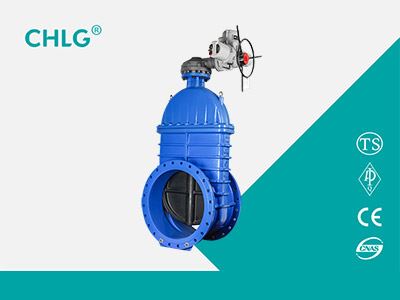
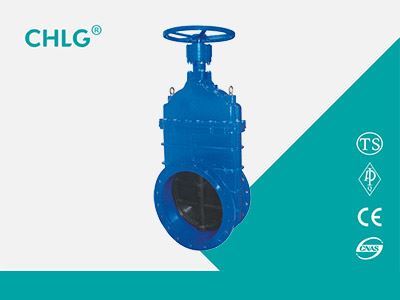
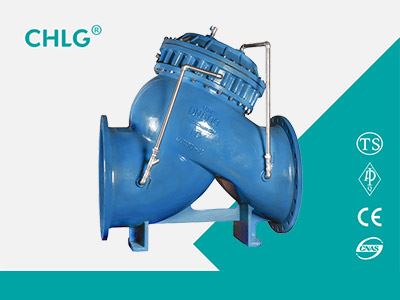
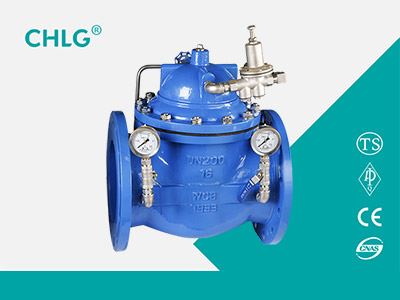
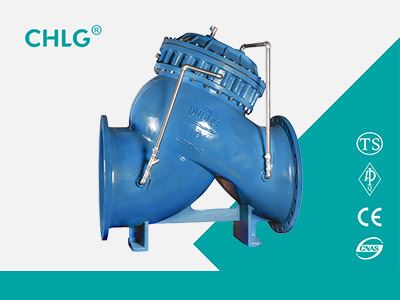
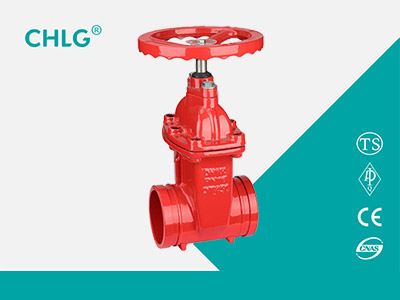
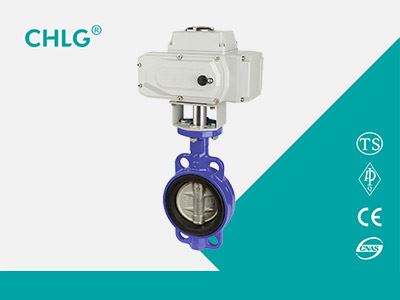
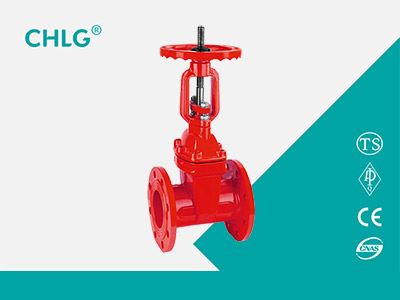
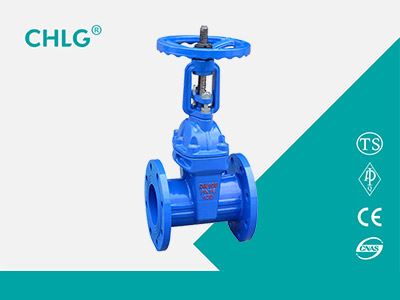
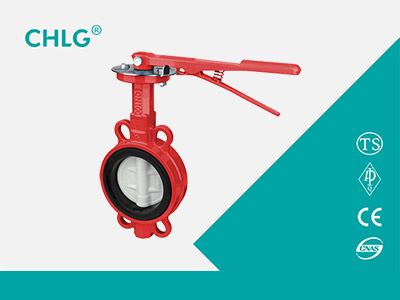
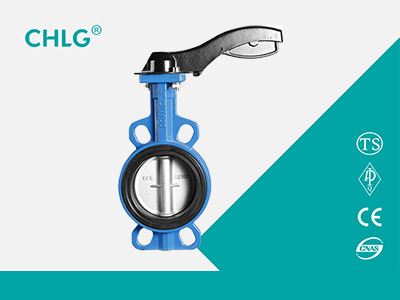
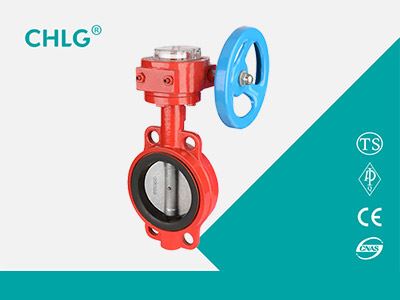
Main Types
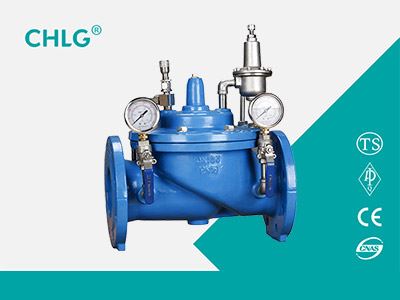
Pressure Reducing Valve
Reduces upstream high pressure to lower downstream pressure. For zoned water supply.
- Pressure reduction
- Stable downstream
- Zoned supply
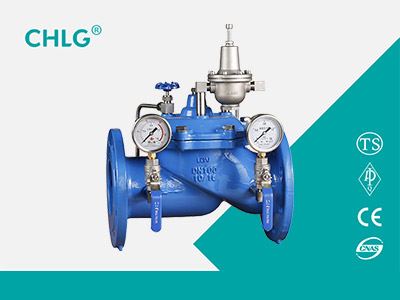
Pressure Sustaining Valve
Maintains downstream pressure stable. For end-point pressure stabilization.
- Pressure sustaining
- Stable downstream
- End-point
Pressure Relief Valve
Automatically relieves pressure when overpressure occurs. For pump room protection.
- Overpressure relief
- Water discharge
- Pump protection
Key Features
- No external power: Operates on medium's own energy
- Automatic operation: Automatically adjusts to parameter changes
- Multi-function: Change function by replacing pilot valve
- Simple maintenance: Simple structure, low failure rate
- Fast response: Rapid response to pressure/water level changes
Technical Specifications
| Parameter | Range |
|---|---|
| Size Range | DN40 - DN800 (1-1/2" - 32") |
| Pressure Class | PN10 - PN40 (Class 150-300) |
| Temperature Range | 0°C to +80°C (water media) |
| Body Materials | Ductile Iron, WCB, CF8 |
| Pilot Valve Material | Brass, Stainless Steel |
| Diaghragm Material | EPDM, NBR |
| Connections | Flange (RF) |
| Design Standards | GB/T 12230, CJ/T 219 |
| Control Accuracy | ±0.02 MPa (pressure reducing) |
Industry Applications
- Municipal Water: Zoned pressure reduction, network pressure stabilization — Pressure reducing valve, sustaining valve
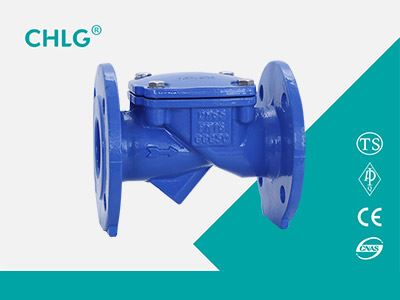
- Building Water: Water tank filling, pump protection — Float valve, slow close check valve
- Fire Protection: Fire network pressure sustaining, relief — Sustaining/relief valve
- HVAC: Hydraulic balance, differential pressure control — Differential pressure control valve, flow control valve
- Irrigation: Automatic water filling, pressure control — Float valve, pressure reducing valve
Frequently Asked Questions
Q1: Do hydraulic control valves need external power?
No. Hydraulic control valves use the medium's own pressure or water level changes to achieve automatic control, requiring no electricity, air power, or other external energy. This makes them especially suitable for locations without power supply or in explosion-proof environments.
Q2: What to do if downstream pressure of pressure reducing valve is unstable?
Possible causes: pilot valve clogged, diaghragm damaged, valve disc stuck, excessive downstream water consumption variation. Inspection methods: clean pilot valve filter, check diaghragm, check valve disc flexibility, confirm whether selection is reasonable (flow range matching).
Q3: Are there requirements for float valve installation position?
The float ball should be installed inside the water tank, connected to the valve via lever and conduit. The float ball should be able to float freely without being blocked by tank walls or other objects. The conduit inner diameter should be large enough to ensure unobstructed pressure transmission.
Q4: Can hydraulic control valves be installed horizontally?
Most hydraulic control valves can be installed horizontally or vertically, but the valve bonnet (pilot part) should generally face upward for convenient maintenance and air bleeding. Installation requirements in the product manual should be carefully read before installation.
Q5: Can the pilot valve of hydraulic control valves be replaced?
Yes. A major advantage of hydraulic control valves is that the main valve is universal — different functions (pressure reduction, sustaining, float control, etc.) can be realized by replacing different pilot valves. When replacing pilot valves, attention should be paid to interface matching between pilot valve and main valve.
Need a Hydraulic Control Valve Solution?
Our hydraulic control valves require no external power and are ideal for water systems, fire protection, HVAC, and irrigation. Multi-function design with pilot valve interchangeability.
Email: info@chlgvalve.com Call: +86-15601794339