


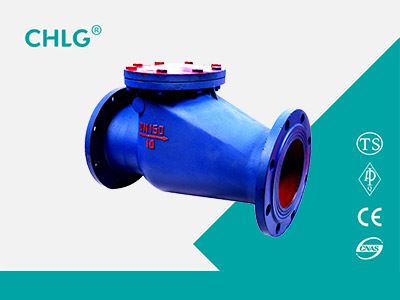
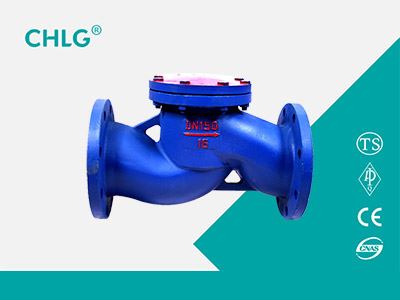
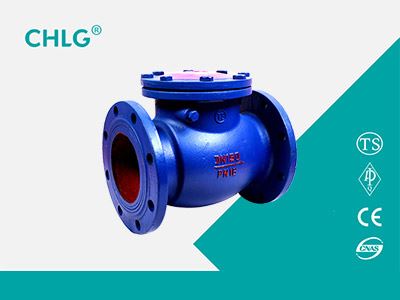
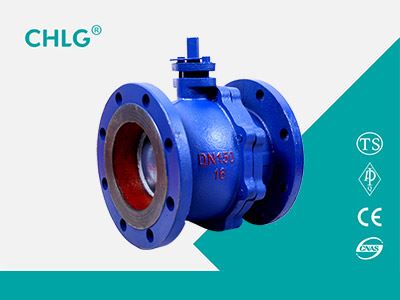
Technical Specifications
| Parameter | Range |
|---|---|
| Size Range | DN50 - DN2000 (2" - 80") |
| Pressure Class | PN10 - PN16 (grey iron), PN10 - PN40 (ductile iron), Class 125 - Class 300 |
| Temperature Range | -10°C to +120°C (EPDM), up to +200°C (metal seated) |
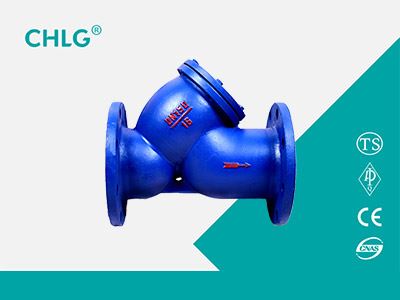
| Body Materials | Grey iron (ASTM A126 CL B), Ductile iron (ASTM A536 65-45-12) |
| Disc/Gate | Ductile iron + EPDM encapsulation (resilient), SS304/SS316 |
| Seat Materials | EPDM, NBR, PTFE, metal-to-metal |
| Coating | Fusion bonded epoxy (FBE), min 250 micron, RAL 5015 blue |
| End Connections | Flanged (EN 1092-2 PN10/PN16, ASME B16.1 CL125), wafer, lug |
| Design Standards | EN 593 (butterfly), EN 558 (face-to-face), BS 5163 (gate), MSS SP-70 (gate) |
| Testing | EN 12266-1, API 598, ISO 5208 |
Industry Applications
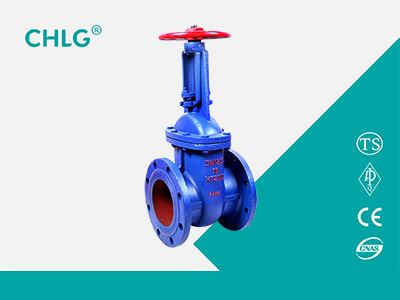
- Water Distribution: Mains, branches, pumping stations — Resilient seated gate, butterfly
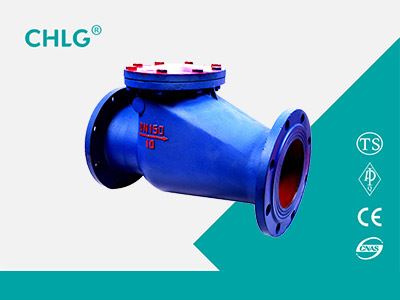
- Fire Protection: Sprinkler mains, hydrant, pump room — OS&Y gate, CI check, butterfly
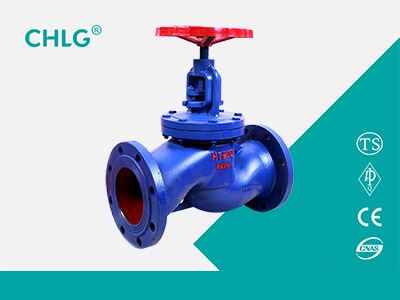
- HVAC: Chilled water, condenser water, steam — CI globe, butterfly, strainer
- Sewage: Raw sewage, treated effluent — Ductile iron gate, knife gate
- Irrigation: Canals, pump stations, distribution — CI butterfly, gate, check
- Industrial Water: Cooling water, process water — DI gate, butterfly, strainer
Frequently Asked Questions
Q1: What is the difference between grey iron and ductile iron valves?
Grey iron: economical, brittle, limited to PN16/Class 125, used in building services and water. Ductile iron: higher strength, ductile (can deform before breaking), rated to PN40/Class 300, suitable for more demanding applications including gas and higher-pressure water systems.
Q2: Can cast iron valves be used for gas?
Ductile iron valves with appropriate certifications can be used for low-pressure natural gas distribution (typically up to 4 bar). Grey iron valves are not suitable for gas due to brittleness and risk of fracture.
Q3: What is fusion bonded epoxy coating?
FBE is a thermoset powder coating applied electrostatically and cured at ~200°C. It provides excellent corrosion protection, impact resistance, and adhesion. Minimum thickness is typically 250 microns. It is the standard corrosion protection for buried and water-immersed valves.
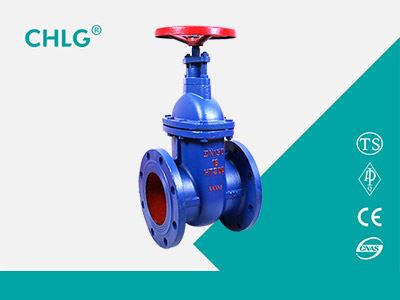
Q4: What is a resilient seated gate valve?
A resilient seated gate valve uses a ductile iron gate fully encapsulated in EPDM rubber. When closed, the rubber presses against the body seat to achieve bubble-tight shut-off. This design eliminates metal-to-metal wear and provides reliable sealing in water and wastewater service.
Need a Cast Iron Valve Solution?
Our engineering team can recommend the optimal cast iron valve type, material, and actuator for your specific application. API 6D, SIL, and fire-safe certified.
Email: info@chlgvalve.com Call: +86-15601794339