

Date:2026-06-04 Views:6
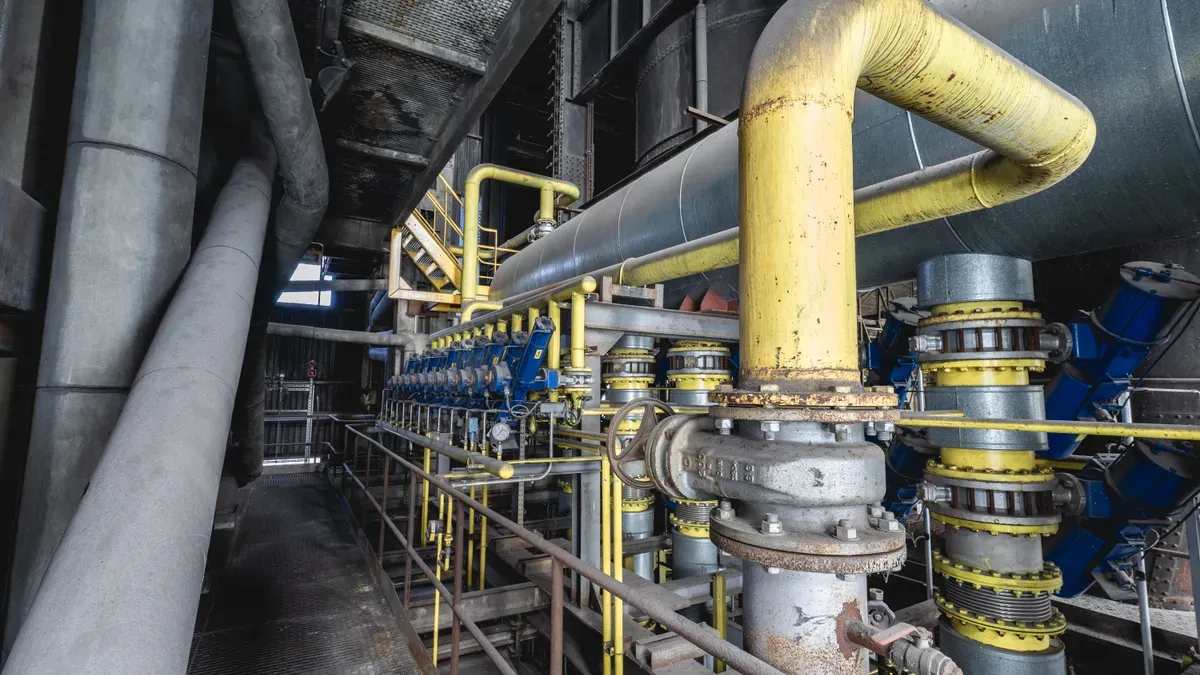
You use an api stainless steel gate valve to control fluid flow in pipes. It is important for places that need strong and reliable tools. These places often have high pressure. The valve follows strict API rules. This means you get good quality and safety every time. Stainless steel types like 304 and 316 do not rust easily. You can use them in tough environments. Many oil and gas companies use these valves. They work well with high pressure and harmful fluids. They do not break or fail easily.
Key TakeawaysAPI stainless steel gate valves are strong tools. They help control fluid flow in places with high pressure. They follow strict rules for safety and strength.
These valves use materials that do not rust, like stainless steel 304 and 316. This makes them good for hard jobs and helps them last a long time.
They have a wedge-shaped gate. This design gives a tight seal. It also lets you turn the valve on or off easily, even when pressure is high.
API 600 gate valves can handle high heat and pressure. They have thick walls and metal seals. This keeps them safe and helps them last longer.
These valves are used in oil, gas, petrochemical, and power industries. They do not rust, work well in tough places, and need little care.
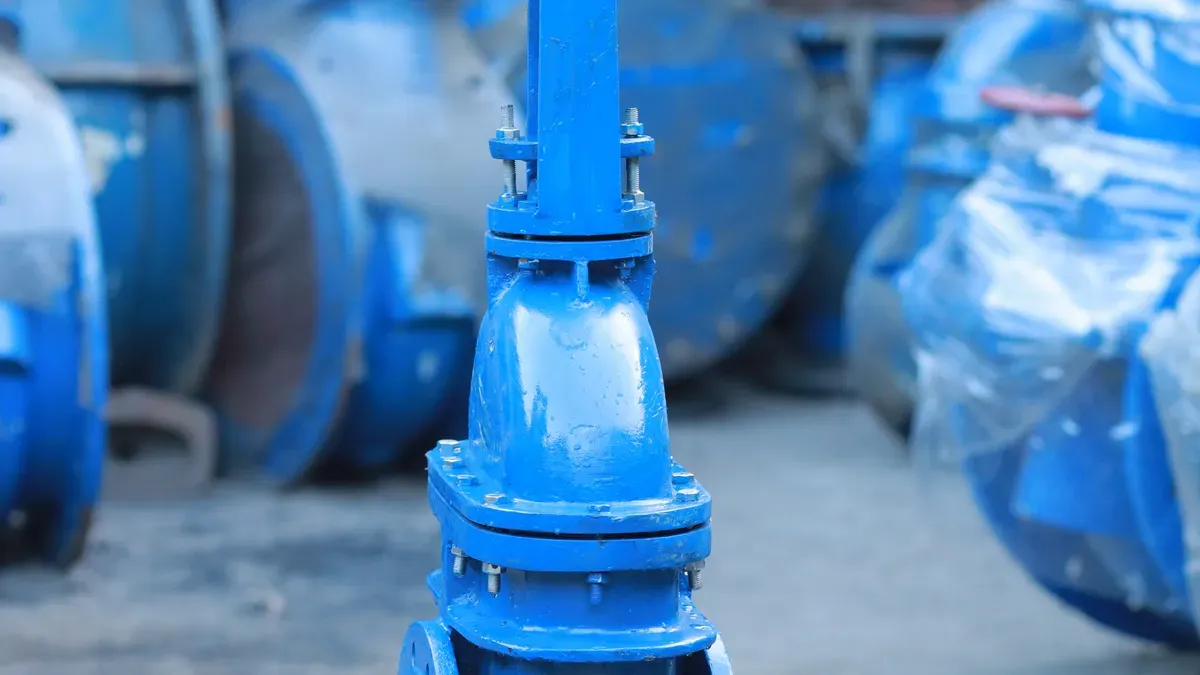
You use an api stainless steel gate valve when you need to stop or allow the flow of liquids or gases in a pipeline. This valve works by lifting or lowering a gate inside the valve body. When you raise the gate, fluid moves through the pipe. When you lower the gate, the flow stops. This design gives you a clear on-off control. Unlike other industrial valves, an api stainless steel gate valve handles very high pressure and tough conditions. You often find these valves in the oil and gas industry. They meet strict rules set by the american petroleum institute. These rules make sure the valve works safely and lasts a long time. The valve stands out because it follows the API 6A specification. This means you get a product that passes tough tests for design, materials, and performance. Other valves may not meet these high standards.
Tip: If you need a valve for extreme environments, choose an api stainless steel gate valve for better safety and reliability.
API standards help you know that a valve will work well and last. The american petroleum institute sets these standards for many types of valves. When you pick a valve that meets API 600 or API 6A, you get a product that has passed many tests. These tests check the valve’s strength, how well it seals, and how long it will last. The table below shows some key features of API 600 gate valves:
|
Key Features of API 600 Gate Valves |
Description |
|---|---|
|
Design & Dimensions |
Strong build with rising stems and bolted bonnets for easy maintenance. |
|
Pressure Classes |
Works in Class 150 up to Class 2500. |
|
Materials |
Uses carbon steel, alloy steel, and stainless steel for different needs. |
|
Testing Requirements |
Must pass hydrostatic shell and seat tests for leak-tight performance. |
|
Trim Options |
Offers trims that resist wear and help the valve last longer. |
When you choose an api stainless steel gate valve that meets these standards, you make sure your system stays safe and works well, even in harsh conditions.
API 600 Gate Valve SpecificationYou should know the main gate valve specifications before picking an api 600 gate valve. These valves work well with high pressure and tough places. They come in sizes from 2 inches to 60 inches. The pressure classes go from 150 up to 2500. This means you can use them for many jobs, from low to very high pressure. The api 600 gate valve specification has strict rules for what materials you can use. The body can be made of carbon steel, stainless steel, or alloy steel. Forged steel makes the valve even stronger for high-pressure systems. Stainless steel grades like 304 and 316 do not rust and work well in harsh places. The api 600 pressure seal keeps the valve tight and stops leaks. You can also pick different trim options, like 410, 316, or hardfaced materials. These help the valve last longer.
Pressure and temperature ratings: Class 150 to 2500, good for many working conditions.
Size range: 2" to 60" nominal pipe size.
Materials of construction: Carbon steel (ASTM A216 WCB), stainless steel (ASTM A351 CF8M), alloy steel (ASTM A217), forged steel.
End connections: Flanged, butt-weld, or socket-weld for easy setup.
Testing and inspection requirements: Hydrostatic shell and seat tests make sure the valve does not leak.
Note: Always check the specifications for your job. The api 600 gate valve specification helps you pick the right valve for your system.
The wedge-type gate design is an important part of the api 600 gate valve. Inside the valve, there is a wedge-shaped disc. When you close the valve, the wedge moves down and presses hard against the seats. This makes a strong seal and stops the flow. The wedge’s shape pushes the sealing parts together. You get a tight shut-off even when the pressure is low. The api 600 pressure seal works well in high-pressure systems and stops leaks. The wedge moves straight up and down, so the flow does not slow down much when the valve is open. This design helps the valve seal well and work reliably.
You should know that wedge gate valves can trap dirt and small bits. The deeper space inside may let stuff build up, which can hurt the seal and make closing hard. Knife gate valves have a thinner shape and do not trap as much, but the api 600 gate valve seals better for high-pressure jobs.
You need to look at the materials and how the valve is made when you choose an api 600 gate valve. The api 600 gate valve specification says you must use strong and tough materials. Forged steel is very strong and tough. You use it in places with high pressure and high heat. Cast steel costs less and works well for medium and low pressure. Alloy steel does not rust easily and can handle high heat. Stainless steel, especially 304 and 316, does not rust and lasts a long time. You use these valves when the fluid can cause rust.
|
Material Type |
Description |
Use Case |
|---|---|---|
|
Forged Steel |
High strength and toughness, ideal for high-pressure and high-temperature. |
High-pressure environments |
|
Cast Steel |
Lower costs and simpler manufacturing, suitable for medium and low-pressure. |
Medium and low-pressure conditions |
|
Alloy Steel |
Excellent corrosion and high-temperature resistance. |
Harsh conditions |
|
Stainless Steel |
Outstanding corrosion resistance, suitable for various corrosive media. |
Various corrosive applications |
|
Common Grades |
304 and 316 are typical stainless steel grades used. |
General applications in corrosive media |
Api 600 gate valves have better seals and thicker walls than other types. The bolts and flanges keep the valve strong when the pressure is high. The api 600 gate valve specification makes sure you get a valve that lasts and keeps your system safe.
Key Features of API 600 Gate ValvesTip: If you want a valve that lasts and does not rust, pick an api 600 gate valve made with forged or alloy steel.
You need a valve that lasts and keeps things safe. The api 600 gate valve uses strong materials and passes hard tests. You can trust it in tough places like oil and gas plants. These valves work in very hot and high-pressure spots. They handle temperatures up to 538°C and pressures over 150 bar. You get fewer repairs and a long life.
Works well in rough conditions
Handles high heat and pressure
Built to last and stay reliable
Safety is important for every job. The api 600 gate valve goes through many tests to make sure it works right. Shell testing checks the valve at 1.5 times its rated pressure. Seat testing checks at 1.1 times the rated pressure. The valve must pass tests for closing under high pressure, moving all the way, measuring torque, and checking the backseat.
|
Feature |
Description |
|---|---|
|
Sealing Reliability |
Keeps tight seals and lasts longer, so you fix it less. |
|
Long Service Life |
Made to stay strong and reliable for a long time. |
You also get special parts like pressure-activated bonnet joints and metal-to-metal seats. These help stop leaks and keep your system safe.
You want a valve that does not rust or get damaged by chemicals. The api 600 gate valve uses stainless steel and alloy steel. These materials protect against rust, pitting, and crevice corrosion. Stainless steel grades like 316 and duplex alloys give extra protection in tough places. You do not need to fix them as often and they last longer.
API 600 gate valves do well in tests for resisting corrosion. They work better than many cast steel valves. Api 602 valves give even more protection for special jobs. Picking the right material matters. You should check the valve specs to choose the best alloy for your system.
You use api 600 gate valves for strong performance in high-pressure jobs. These valves have thick walls and strong bodies. They are rated for pressures up to 10.0 MPa at room temperature. The api 600 pressure seal keeps the valve tight, even when it gets hot.
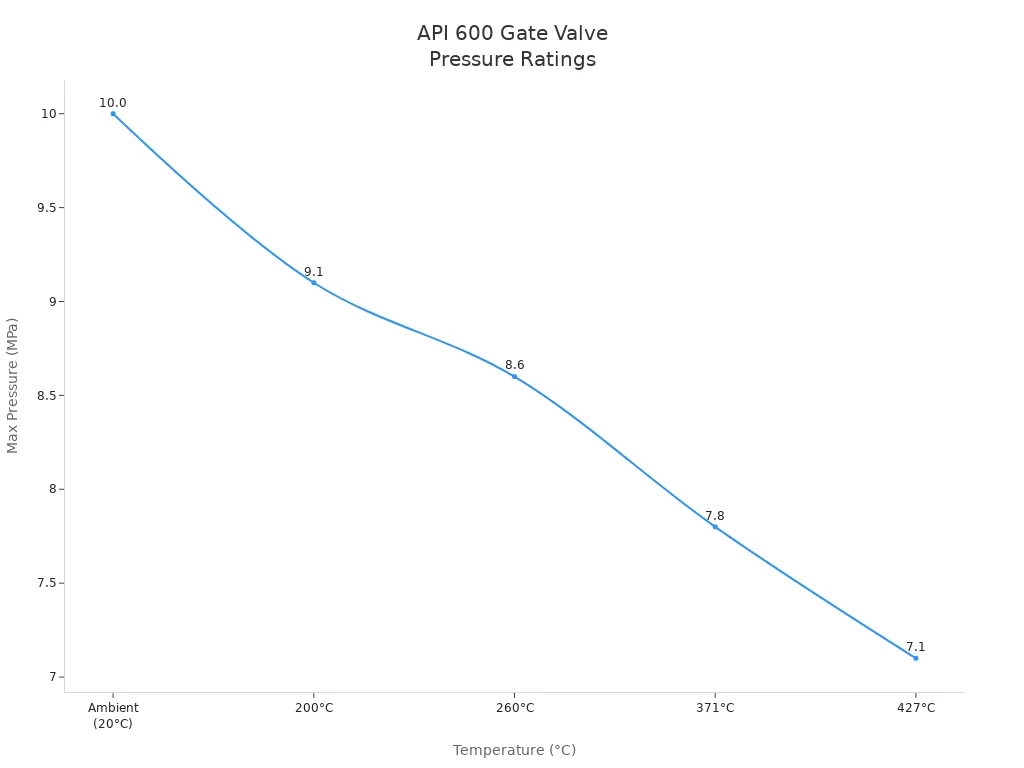
The api 600 gate valve has features like metal-to-metal seats, hardfaced seats, and forged bodies. You get raised-face or RTJ end connections for high-pressure steam lines. The packing system uses flexible graphite rings to seal at high temperatures.
|
Feature |
Description |
|---|---|
|
Material Selection |
WC9 for 540°C/16 MPa and C12 for 600°C/25 MPa jobs. |
|
Gate and Seat Design |
Metal-to-metal seats stop leaks, wedge design pushes tight under pressure. |
|
Seat Hardfacing |
Seats are covered with strong alloys to resist damage from wet steam. |
|
Bonnet and Stem Design |
Bolted bonnet makes repairs easy, forged bonnets stop leaks, stems have hard chrome plating. |
|
Packing System |
Uses many rings of flexible graphite for sealing, needs at least 4 rings. |
|
Body Design |
Forged bodies for high-pressure jobs, cast bodies checked with ultrasound. |
|
Flange Connections |
Raised-face or RTJ flanges are best for high-pressure steam lines. |
|
Thermal Expansion Compensation |
Bellows seal helps big valves handle heat changes. |
You can count on api 600 gate valves to work well in tough places. These are the main features that make them a good choice for hard jobs.
Uses of API Stainless Steel Gate ValvesYou see API stainless steel gate valves all over in the oil and gas business. They control the flow of oil, gas, and other fluids in pipes. These valves face many problems like rust, erosion, and dirt buildup. Being exposed to high pressure and harsh chemicals can damage the valve body. The seals can wear out or leak, which lowers efficiency and can be dangerous. The stems can also wear down or break from frequent use under stress. Dirt and debris in the pipes can block the valve from closing properly, causing pressure spikes. To avoid problems, regular checks and maintenance are needed. Using strong materials like stainless steel helps these valves resist rust and last longer. Their tough design makes sure they work well even in tough conditions.
API 602 allows different forged steel materials, making these valves good for petrochemical and power plants. They are used in oil refining, chemical factories, and power stations. In power plants, especially, API 600 gate valves control steam and water flow, helping everything run smoothly. These valves follow strict rules, like API 6D, to make sure they are safe and last a long time. For example, in supercritical power plants, materials like C12 steel can handle very high temperatures and pressures. The metal-to-metal seats and forged bodies help them work in extreme conditions. Their design reduces leaks and keeps performance steady over time. Power plants depend on these valves to stay safe and efficient, even in tough working conditions.
Besides oil, gas, petrochemical, and power plants, API stainless steel gate valves are used in many other fields. They work in water treatment plants, shipbuilding, and chemical factories. These valves can handle different fluids, including corrosive chemicals and very hot liquids. Their strength and ability to resist tough environments make them useful in many jobs. For example, in chemical plants, they fight corrosion from aggressive substances. In ships, they control ballast and fuel systems. Their flexibility and durability make them popular in many industries. Whether managing high-pressure steam or corrosive liquids, these valves give dependable performance.
You now know that API stainless steel gate valves give you strong shut-off and resist rust in tough jobs. These valves work well in high-pressure and high-temperature places. You get features like thick walls, metal-to-metal seals, and easy maintenance.
Key points to remember:
Stainless steel valves, especially grade 316, fight corrosion best.
API 600 valves handle up to 538°C and 150 bar.
Rising stem designs let you see if the valve is open or closed.
FAQWhen you choose a valve, check your fluid type, pressure, and temperature needs. Pick API stainless steel gate valves for safe and reliable control in critical systems.
API stands for American Petroleum Institute. You see this mark on valves that meet strict industry standards. These standards help you trust the valve’s quality, safety, and performance in tough jobs.
Stainless steel resists rust and corrosion. You get a valve that lasts longer, even with harsh chemicals or high temperatures. This means less maintenance and fewer replacements for your system.
You look at the stem. If the stem rises, the valve is open. If the stem lowers, the valve is closed. This rising stem design gives you a clear visual indicator.
Yes, you can use these valves for drinking water systems. Stainless steel does not react with water. You get safe, clean flow control without contamination.
Tip: Check the valve for leaks, rust, or dirt buildup. Lubricate moving parts and inspect seals regularly. You keep the valve working well and extend its life with simple, routine checks.