

Date:2026-06-13 Views:4
A gate valve for water supply is an isolation valve designed to start or stop water flow in municipal, industrial, and infrastructure piping systems. It operates by lifting or lowering a gate inside the valve body, providing minimal pressure loss when fully open. Due to its reliable sealing performance, durability, and suitability for large-diameter pipelines, it is one of the most widely used valves in water distribution networks worldwide.
A gate valve for water supply is primarily used for full open or full closed service in water pipelines.
Common materials include ductile iron, WCB carbon steel, SS304, SS316, and duplex stainless steel.
Water supply gate valves comply with standards such as AWWA, API, ANSI, DIN, and ISO.
Proper valve selection depends on pressure rating, pipe size, water quality, and installation conditions.
High-quality gate valves reduce leakage, maintenance costs, and system downtime.
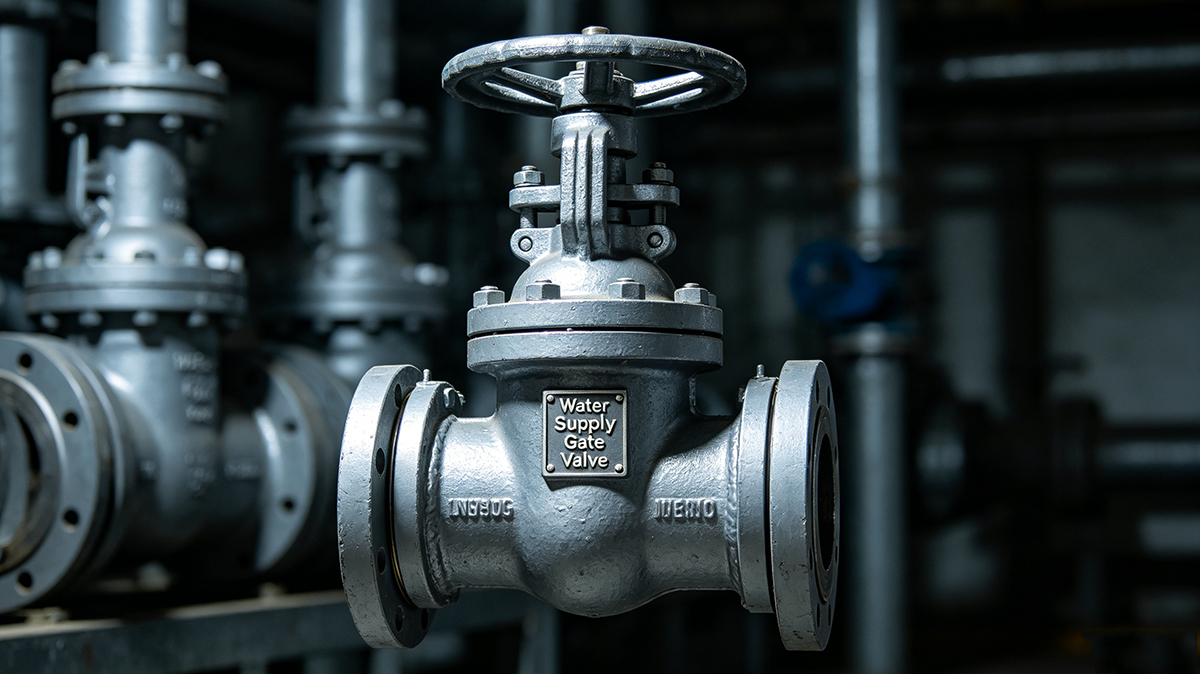
A gate valve for water supply is a linear-motion valve that controls water flow by raising or lowering a gate or wedge within the valve body. Unlike globe valves or control valves, gate valves are not designed for throttling. Instead, they provide reliable shut-off performance with very low flow resistance.
When fully open, the gate is completely removed from the flow path, allowing water to pass through with minimal pressure drop. This makes gate valves an ideal choice for municipal water systems, pumping stations, treatment plants, and industrial water distribution networks.
Why Are Gate Valves Widely Used in Water Supply Systems?Water distribution systems require valves that can:
Handle large flow volumes
Provide tight shut-off performance
Operate reliably for decades
Minimize energy losses
Require limited maintenance
Gate valves meet all these requirements, making them a preferred solution for engineers and utility operators.
Industry BackgroundAs urbanization and infrastructure investments continue to grow globally, demand for reliable water supply systems is increasing. Governments and utility companies are upgrading aging pipelines and expanding water treatment facilities. As a result, the market for high-performance water supply valves continues to grow, especially for resilient seated and metal seated gate valves.
Different water supply projects require different gate valve designs.
Rising Stem Gate ValveA rising stem gate valve features a stem that moves upward as the valve opens.
Easy visual indication of valve position
Simple maintenance inspection
Suitable for above-ground installations
Water treatment plants
Pump stations
Industrial facilities
In this design, the stem remains stationary while the gate moves internally.
Compact installation
Suitable for underground pipelines
Lower space requirements
Municipal water networks
Buried pipelines
Underground chambers
A resilient seated gate valve uses an elastomer-coated wedge to achieve bubble-tight sealing.
Excellent leak prevention
Low operating torque
Long service life
Drinking water systems
Municipal water distribution
Irrigation networks
Metal seated gate valves use metal-to-metal sealing surfaces.
High temperature resistance
Better abrasion resistance
Suitable for harsh environments
Industrial water systems
Mining operations
Raw water pipelines
Flanged gate valves connect directly to pipeline flanges.
Easy installation
Reliable sealing
Simplified maintenance
Municipal infrastructure
Water transmission pipelines
Treatment plants
This design keeps stem threads outside the valve body.
Easy lubrication
Visible valve position
Reduced corrosion risk
Water treatment facilities
Fire protection systems
Industrial water applications
Understanding valve specifications helps engineers select the most suitable product.
Valve Body MaterialsThe most common material for municipal water supply applications.
Benefits include:
High strength
Excellent durability
Cost-effectiveness
Good corrosion resistance
Suitable for industrial water systems.
Benefits include:
Strong mechanical properties
Wide pressure range
Competitive pricing
Commonly used in clean water applications.
Benefits include:
Corrosion resistance
Hygienic surface
Long service life
Provides enhanced resistance against chlorides and aggressive water conditions.
Benefits include:
Superior corrosion protection
Marine environment suitability
Extended operating life
Designed for demanding environments.
Benefits include:
High strength
Excellent corrosion resistance
Reduced maintenance costs
Water supply gate valves are available in various pressure classes.
Typical pressure ratings include:
| Standard | Pressure Rating |
|---|---|
| PN10 | 10 Bar |
| PN16 | 16 Bar |
| PN25 | 25 Bar |
| Class 150 | ANSI Standard |
| Class 300 | ANSI Standard |
Common valve sizes include:
DN50 (2")
DN80 (3")
DN100 (4")
DN150 (6")
DN200 (8")
DN300 (12")
DN600 (24")
DN1200 (48")
Custom sizes are also available for large infrastructure projects.
Quality manufacturers design products according to:
AWWA C509
AWWA C515
API 600
API 6D
ANSI B16.34
ASME Standards
DIN Standards
ISO Standards
Available options include:
Flanged Ends
Mechanical Joint Ends
Push-On Ends
Grooved Ends
Welded Ends
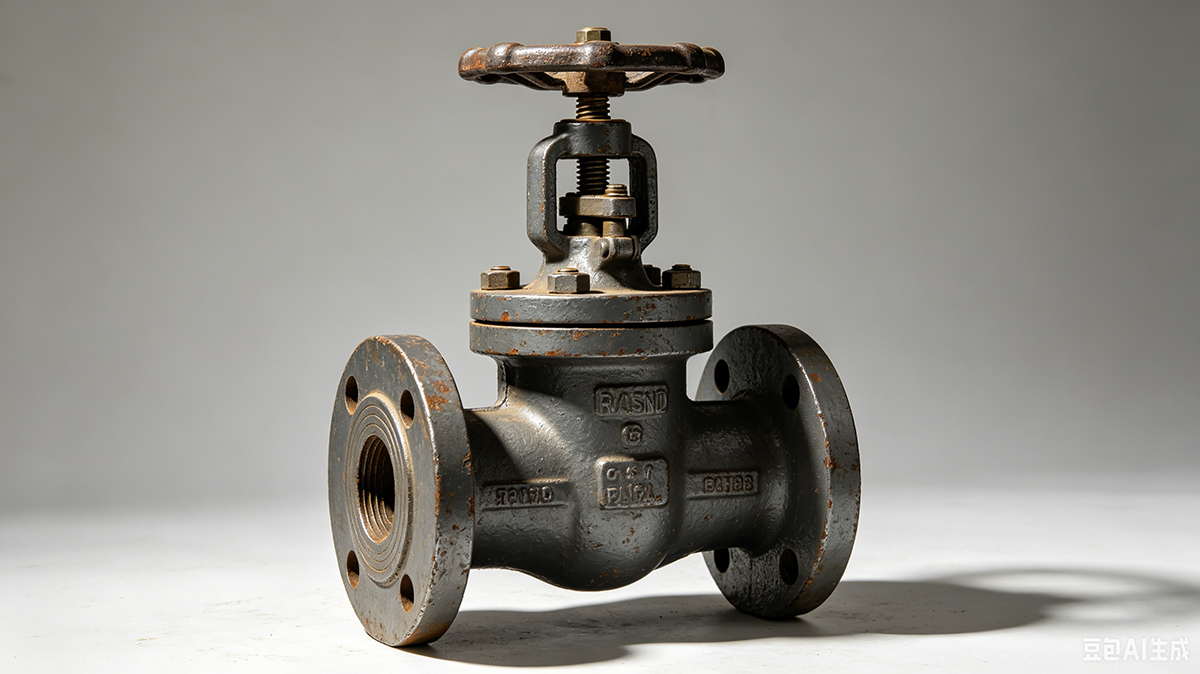
Gate valves play a critical role throughout the water industry.
Municipal Water DistributionMunicipal water systems rely on gate valves to isolate sections of pipelines during maintenance and emergency repairs.
Applications include:
Main transmission pipelines
Distribution networks
Service connections
Treatment facilities use gate valves to control flow through:
Filtration systems
Clarifiers
Chemical dosing units
Storage tanks
Reliable shut-off capability is essential for plant operations.
Pump stations require gate valves for:
Pump isolation
System maintenance
Flow control sections
Large-diameter valves are commonly used in these facilities.
Agricultural irrigation networks depend on gate valves for:
Canal control
Distribution systems
Pump stations
Water conservation projects
Manufacturing plants use gate valves in:
Cooling water systems
Process water networks
Utility services
Firewater systems
Gate valves are frequently installed in fire suppression systems because they provide reliable shut-off and low pressure loss.
Applications include:
Fire mains
Sprinkler systems
Water storage facilities
Selecting the correct valve improves system performance and reduces lifecycle costs.
1. Determine Water QualityEvaluate:
Potable water
Wastewater
Seawater
Industrial water
Material compatibility is critical.
Larger pipelines may require:
Gear-operated gate valves
Electric actuated gate valves
Hydraulic operation systems
Choose a valve rated above maximum operating pressure.
Common options include:
PN10
PN16
PN25
Class 150
Examples:
Ductile iron for municipal systems
Stainless steel for corrosive environments
Duplex steel for marine applications
Consider whether the valve will be:
Underground
Above ground
Submerged
Indoor installation
This affects stem design selection.
Verify compliance with:
AWWA
API
ANSI
DIN
ISO
Many public projects require specific certifications.
If maintenance access is limited, choose designs with:
Corrosion-resistant coatings
Long-life sealing systems
Low operating torque
An experienced industrial valve supplier can provide:
Engineering support
Product customization
Quality assurance
Faster delivery
CHLG Valve is a professional industrial valve manufacturer specializing in gate valves, globe valves, check valves, and pipeline valves. The company serves water supply, oil and gas, petrochemical, power generation, and infrastructure industries worldwide.
Advanced manufacturing facilities
International quality standards
Customized valve solutions
Competitive factory-direct pricing
AVK is a well-known manufacturer specializing in resilient seated gate valves for water and wastewater applications.
A leading supplier of water infrastructure products serving municipal water systems worldwide.
Provides high-performance gate valves designed specifically for water distribution networks.
Known for ductile iron pipeline systems and water control solutions.
Offers a wide range of industrial and municipal valves for global markets.
Manufactures industrial valves for water treatment, energy, and process industries.
Provides engineered valve solutions for infrastructure and industrial applications.
The cost of a gate valve depends on several factors.
Material SelectionTypical cost ranking:
Ductile Iron < Carbon Steel < Stainless Steel < Duplex Stainless Steel
Larger valves require:
More raw materials
Larger castings
Increased machining time
This significantly impacts price.
Higher pressure ratings increase:
Body thickness
Testing requirements
Manufacturing complexity
Special coatings may include:
Fusion Bonded Epoxy (FBE)
Epoxy Powder Coating
Anti-corrosion systems
These increase overall costs.
Products certified to AWWA, API, NSF, or WRAS standards generally cost more due to testing and compliance requirements.
| Valve Size | Estimated Price Range |
|---|---|
| 2"–4" | $50–$300 |
| 6"–12" | $300–$2,000 |
| 14"–24" | $2,000–$10,000 |
| 30"–48"+ | $10,000–$80,000+ |
Actual pricing varies based on specifications and project requirements.
A gate valve is designed to completely stop or allow water flow. It is not intended for flow regulation. Its low pressure loss and reliable sealing make it ideal for isolation service in water pipelines.
Yes. Resilient seated gate valves are widely used in potable water systems because they provide excellent sealing performance and meet many drinking water standards.
Ductile iron is typically the most cost-effective and widely used material. Stainless steel and duplex stainless steel are preferred when higher corrosion resistance is required.
A rising stem valve provides visible position indication, while a non-rising stem valve saves installation space and is often used in underground applications.
With proper installation and maintenance, a high-quality gate valve can provide reliable service for 20 to 50 years depending on operating conditions and material selection.
Yes. Non-rising stem gate valves are specifically designed for underground water distribution systems and buried pipeline installations.
Common standards include AWWA C509, AWWA C515, API standards, ANSI standards, DIN standards, and ISO standards, depending on project requirements.
Look for manufacturers with proven project experience, quality certifications, testing capabilities, engineering support, and a strong track record in water infrastructure projects.
A gate valve for water supply is one of the most important components in municipal and industrial water systems. Its ability to provide reliable shut-off, low pressure loss, and long service life makes it the preferred choice for water transmission and distribution networks worldwide.
Whether you are designing a new water treatment facility, upgrading municipal infrastructure, or sourcing valves for a large pipeline project, selecting the right gate valve manufacturer is essential for ensuring system reliability and operational efficiency.
Request a Quote from CHLG ValveLooking for a trusted gate valve manufacturer or industrial valve supplier?
CHLG Valve offers:
Resilient seated gate valves
Metal seated gate valves
Large-diameter water supply valves
Customized engineering solutions
Competitive factory pricing
Fast international delivery
Contact our engineering team today to receive technical support, product recommendations, and a customized quotation for your next water supply project.