

Date:2026-06-11 Views:26
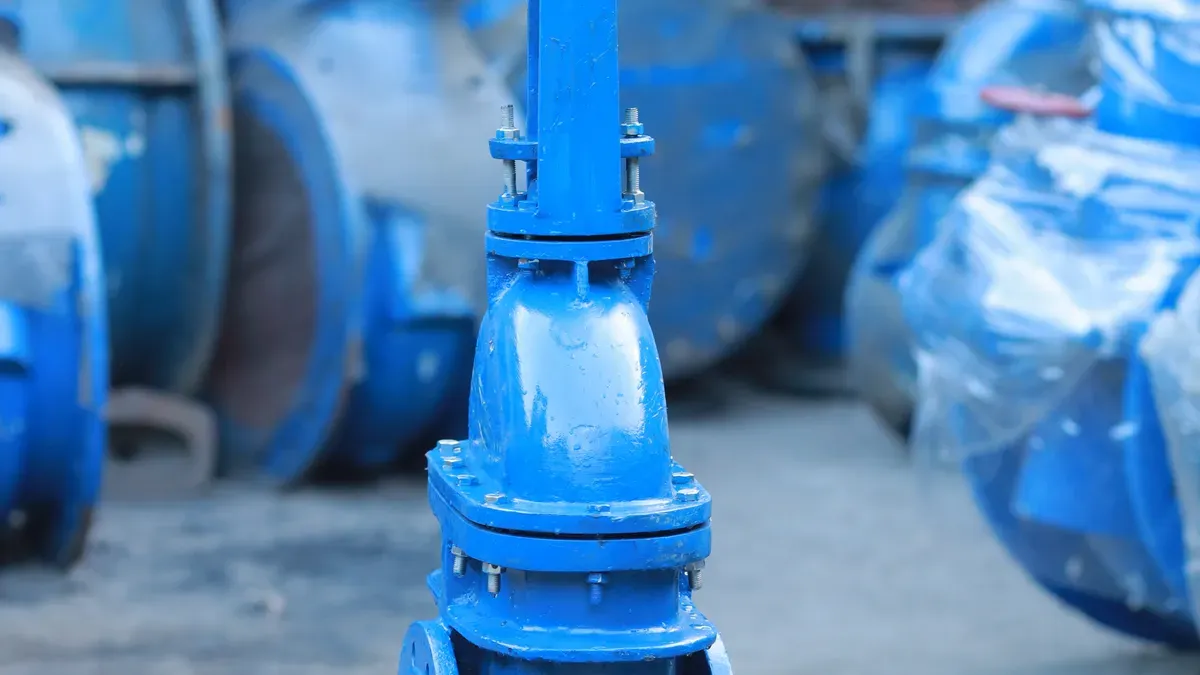
A stainless steel 316 gate valve lets you control liquids or gases. It works well in tough places. This valve has strong resistance to rust. It is durable and gives a tight seal. Grade 316 handles salt and acid better than other grades. You can see the main differences in the table below:
|
Grade |
Key Properties |
Application in Control Valves |
|---|---|---|
|
316 |
Stops rust very well, works with salt and acid |
Used in ships, water plants, acid jobs, and hard places |
Picking the right stainless steel gate valve is important for safety and good work. LIANGGU VALVE makes high-quality valves for many hard jobs.
Key TakeawaysStainless steel 316 gate valves do not rust easily. This makes them great for places with salt or acid.
These valves are strong and last a long time. They can be used many times without breaking.
The valves close tightly to stop leaks. This helps keep things safe in many jobs.
Stainless steel 316 gate valves let fluids move easily. They do not slow down the flow in pipes.
These valves can be used in many industries. They work well in oil and gas, water cleaning, and food making.
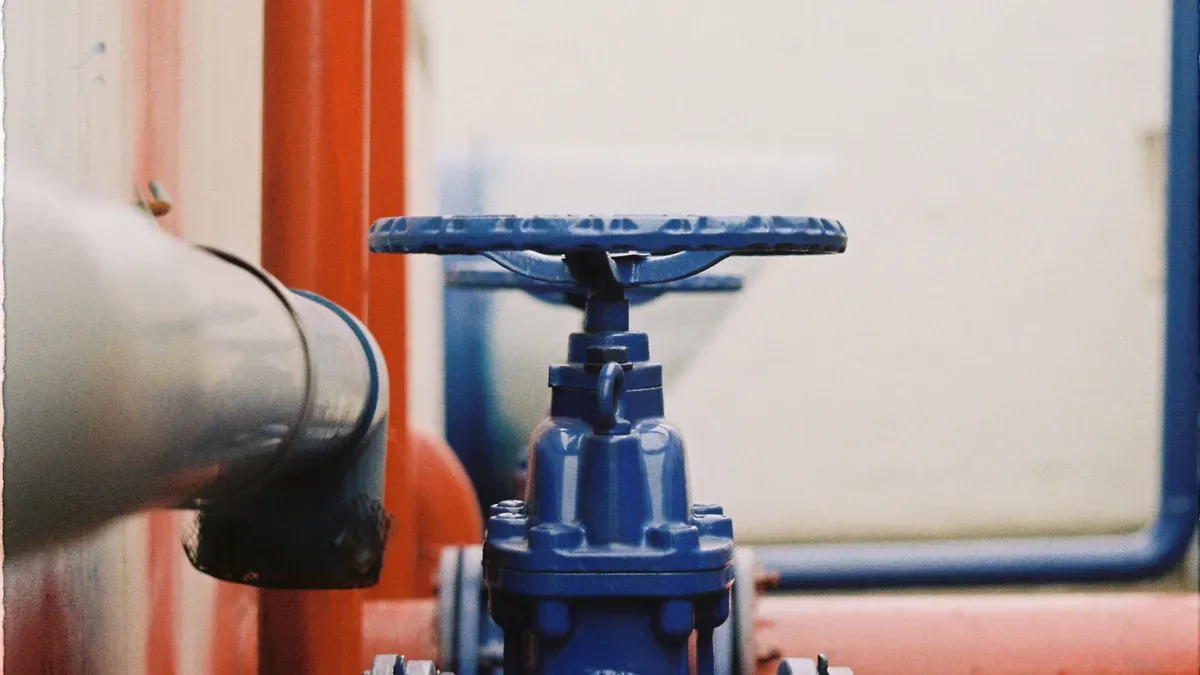
You use a stainless steel 316 gate valve to control the flow of liquids or gases in a pipeline. This valve has a sliding gate inside. When you turn the handle, the gate moves up or down. The gate blocks or opens the path for the fluid. You get a full stop or a full flow. This valve does not regulate the flow. You use it for on or off control.
Grade 316 stainless steel gives the valve extra strength. It protects the valve from corrosion caused by salt, acids, and harsh chemicals. You find this valve in places like water treatment plants, ships, and factories. The stainless steel gate valve works well in tough environments. You can trust it to last a long time and keep your system safe.
You want a valve that stands up to hard conditions. The stainless steel 316 gate valve offers several important features:
Corrosion resistance: The 316 stainless steel material keeps the valve safe from rust and chemical damage. You can use it in salty or acidic places.
Durability: This valve handles repeated use. It resists fatigue and keeps working even after many cycles.
Sealing performance: The smooth surfaces and precise design help the valve seal tightly. You get less leakage and more safety.
Minimal pressure drop: When you open the valve fully, the fluid flows straight through. You lose very little pressure.
Wide application: You can use this valve in oil and gas, water treatment, power plants, and marine systems.
LIANGGU VALVE has years of experience making stainless steel gate valves. You get reliable products with strong performance and quality. The company uses advanced design and strict testing to make sure each valve meets high standards.
|
Feature |
Benefit for You |
|---|---|
|
Corrosion resistance |
Protects against rust and chemicals |
|
Durability |
Lasts through tough conditions |
|
Tight sealing |
Prevents leaks and keeps systems safe |
|
Minimal pressure drop |
Keeps flow strong and efficient |
You can depend on LIANGGU VALVE for valves that work in demanding jobs. The company builds each stainless steel 316 gate valve to deliver safety, strength, and long life.
Construction and material propertiesIf you need a valve for tough places, choose stainless steel 316. This valve does not rust easily. It works well with salt, acids, and chemicals. You can use it in ships, chemical plants, and water cleaning jobs. Molybdenum in 316 stainless steel helps stop rust better than 304 stainless steel. It stays strong in salty water and weak acids. This means your valve lasts longer and keeps your system safe.
Here is a quick comparison:
|
Advantage |
316 Stainless Steel |
304 Stainless Steel |
|---|---|---|
|
Corrosion Resistance |
Superior, especially in chloride environments |
Lower, prone to pitting in brackish water |
|
Temperature Range |
Broader range for extreme conditions |
Limited range for high temperatures |
|
Application Suitability |
Ideal for corrosive media and hygienic use |
General use, less effective in harsh settings |
316 stainless steel does not react in salty water or weak acid.
Pick 316 if you need to handle salt or acid.
Tip: Stainless steel gate valves made from 316 work well in places with lots of chemicals, heat, or where things must stay clean.
You want a valve that is built strong. The stainless steel gate valve has many important parts:
|
Component |
Description |
|---|---|
|
Valve Body |
This is the outside shell. It holds pressure and all the parts inside. |
|
Gate |
It moves up and down to open or close. It is made from stainless steel to be strong and not rust. |
|
Valve Stem |
This connects the gate to the handle. It must not rust and must handle pressure. |
|
Sealing Surface |
This part makes a tight seal so nothing leaks. |
|
Valve Seat |
This holds the gate and helps it seal when closed. |
|
Packing Box |
This holds packing to stop leaks around the stem. |
You can pick a flanged or threaded gate valve for your pipes. LIANGGU VALVE uses good stainless steel and smart ways to make valves. You can get these valves in many sizes. Each valve is tested for rust, pressure, and strength. The company cares about safety and quality. You can trust LIANGGU VALVE to work well in hard jobs.
How stainless steel gate valve worksYou control a stainless steel 316 gate valve by moving a metal gate inside the valve body. This gate slides up or down in a straight line. You turn a handwheel or use an actuator to move the stem, which lifts or lowers the gate. When you raise the gate, you open the path for liquids or gases. When you lower the gate, you block the flow completely. The wedge-shaped gate fits tightly into the seat, giving you a reliable shut-off every time.
You get full-bore flow when the gate is fully open. The fluid moves straight through the valve, just like it would in a regular pipe.
The wedge moves only up and down, so you do not get much wear on the parts.
You use this valve for on/off control, not for adjusting the flow.
This simple design makes the valve easy to use and maintain. You can trust the wedge to work well, even after many cycles.
A stainless steel 316 gate valve gives you a tight shut-off and keeps pressure loss low. The solid wedge presses firmly against the seat when you close the valve. This action creates a complete shut-off, so you do not have to worry about leaks. The straight-through path inside the valve lets the fluid flow with little resistance. You get minimal pressure drop, which helps your system run efficiently.
|
Specification |
Value |
|---|---|
|
TYPE |
Gate Valve |
|
DESIGN |
Solid wedge gate, provides a tight shutoff with minimal pressure drop |
|
BODY MATERIAL |
316 Stainless Steel for superior corrosion resistance |
The wedge design ensures a reliable shut-off, even in high-pressure systems.
The valve’s full-bore flow path means you do not lose much energy as the fluid passes through.
You can use this valve in places where you need both a strong seal and smooth flow.
You get peace of mind knowing the wedge will give you a secure shut-off every time you operate the valve.
Main features and benefitsYou need a valve that works in tough places. Stainless steel 316 gate valves do not rust easily. You can use them where there is salt, acid, or strong chemicals. The material keeps the valve safe from rust and harm. These valves work well even when things get rough. Because they resist rust, they are good for ships, chemical plants, and water cleaning jobs.
Another important thing is how they handle heat and cold. Stainless steel 316 can take high and low temperatures. You can see the temperature ranges in the table below:
|
Temperature Range (°F) |
Description |
|---|---|
|
Below 1600 |
Good oxidation resistance in intermittent use |
|
Below 1700 |
Good oxidation resistance in continuous use |
|
800-1575 |
Not recommended for continuous use |
|
Outside 800-1575 |
Good heat resistance, especially for 316L |
This valve works in many different places. The way it fights rust and handles heat helps stop problems and keeps your system safe.
You want a valve that can take a lot of pressure. Stainless steel 316 gate valves are made to meet strict rules for pressure. The pressure rating tells you how much force the valve can take. You can see the common ratings in the table:
|
Standard |
Pressure Rating |
|---|---|
|
ANSI |
150#/300# |
|
DIN |
PN16/25 |
|
JIS |
10K/20K |
Many valves can handle pressure from 150Lb to 2500Lb. The valve can seal tightly in both directions. The sealing surface stops leaks and keeps your system safe. These valves work well in jobs where there is a lot of pressure.
You get many good things when you pick stainless steel 316 gate valves instead of other kinds. They do not rust as fast as cast iron or carbon steel valves. They last longer in places with strong chemicals. The valve lets fluid move easily, so your system works better. It seals both ways, which gives you more safety. You can use these valves where there is high pressure and lots of chemicals.
Applications of stainless steel 316 gate valveLIANGGU VALVE uses good materials and tests each valve carefully. You get valves that work well and last a long time. The company’s valves help you keep your work safe and running smoothly.
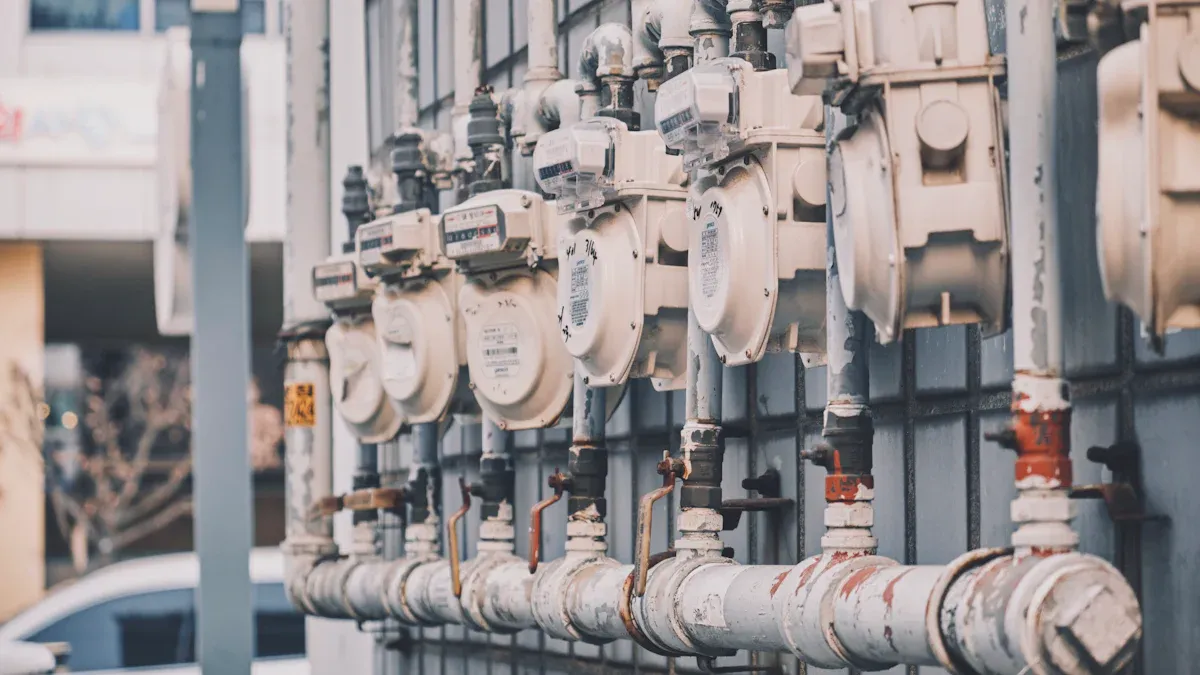
Stainless steel gate valves are used in many industries. These valves help control gas or liquid in pipes. You can use them in oil and gas jobs. They are also used in water treatment plants. Chemical factories use these valves too. Food factories need clean pipes, so they use these valves. Drug and biotech companies use them because they need clean systems. You will also find them in regular industry and utility pipes.
Here are some places where these valves are used:
Chemical and petrochemical systems
Food and drink factories that need clean pipes
Drug and biotech plants
Water cleaning and salt removal plants
Industrial gas and utility pipes
You can see how these valves work in real projects:
|
Application |
Valve Type |
Key Features/Outcomes |
|---|---|---|
|
Chemical Plant |
T Series |
Used on moderate pH solutions; elastomer switch to EPDM doubled seat life. |
|
Seawater Desalination |
T Series |
Valves in intake lines; marine-grade stainless steel gates resist corrosion. |
LIANGGU VALVE has given valves to many industries. The company made safety valves for power plants with high heat and pressure. They also worked with bio-fermentation and chemical jobs. Their experience covers many kinds of gas and liquid systems.
You need a valve for tough jobs. Stainless steel 316 gate valves work well in hard places. These valves do not rust, even with salt, chemicals, or high pressure. Molybdenum in grade 316 helps the valve last longer in marine and chemical jobs.
You can trust these valves where gas or liquid might break other materials. Stainless steel gate valves do not crack and keep working after many uses. You get strong results in rough places, like seawater or chemical gas pipes.
LIANGGU VALVE has shown skill in hard conditions. The company gave valves for high-pressure hydrogen units and special gas jobs. You can count on their valves for safe, long-lasting work in tough jobs.
Tip: Always pick the right grade and take care of your valve to help it last longer in hard places.
You use a stainless steel 316 gate valve to start or stop the flow of liquids or gases in pipelines. This valve stands out for its strong corrosion resistance, long life, and easy cleaning. You find it in many applications, such as water treatment, oil and gas, and food processing.
High resistance to acids and salt
Works well in high temperatures and pressure
Easy to clean and keeps fluids safe
|
Need help? |
Contact LIANGGU VALVE for more details or to explore product options. |
|---|---|
|
🌐 Website |
FAQChoose the right valve for your job and trust LIANGGU VALVE for quality and support.
You use this valve to start or stop the flow of liquids or gases in a pipeline. It works best for on/off control, not for adjusting flow.
Check your pipeline diameter. Match the valve size to your pipe size. You can ask LIANGGU VALVE for help if you are not sure.
Yes! Stainless steel 316 resists rust and chemical damage. You can use it in places with saltwater or acids, like ships or chemical plants.
Tip: Open and close the valve fully during checks. Clean the valve if you see buildup. Replace seals if you notice leaks.
You can visit LIANGGU VALVE’s official website to see products, get details, or ask for help.