

Date:2026-06-03 Views:10
A Cast Steel Flanged Gate Valve helps you control the flow in pipes. It can start or stop liquids or gases with a tight seal. These valves are used in many industries. Some examples are oil and gas, water treatment, and chemical processing. Using these valves keeps work safe and efficient. The global market may reach $24.3 billion by 2033. Engineers and buyers must check the specs for their projects. LIANGGU VALVE is a trusted company for good and reliable valves.
Key TakeawaysCast Steel Flanged Gate Valves help control how liquids and gases move. They make a strong seal so leaks do not happen.
Pick the right material for your valve. Think about what fluid you have, the pressure, and the temperature. This helps the valve work its best.
Always look for industry standards like API 600 and ASME B16.34. These standards help keep things safe and reliable when you buy valves.
Think about the valve’s size, how much pressure it can take, and how much space you have. This helps you pick the best valve for your system.
LIANGGU VALVE gives custom solutions and good service. This makes it easier to find the right valve for your project.
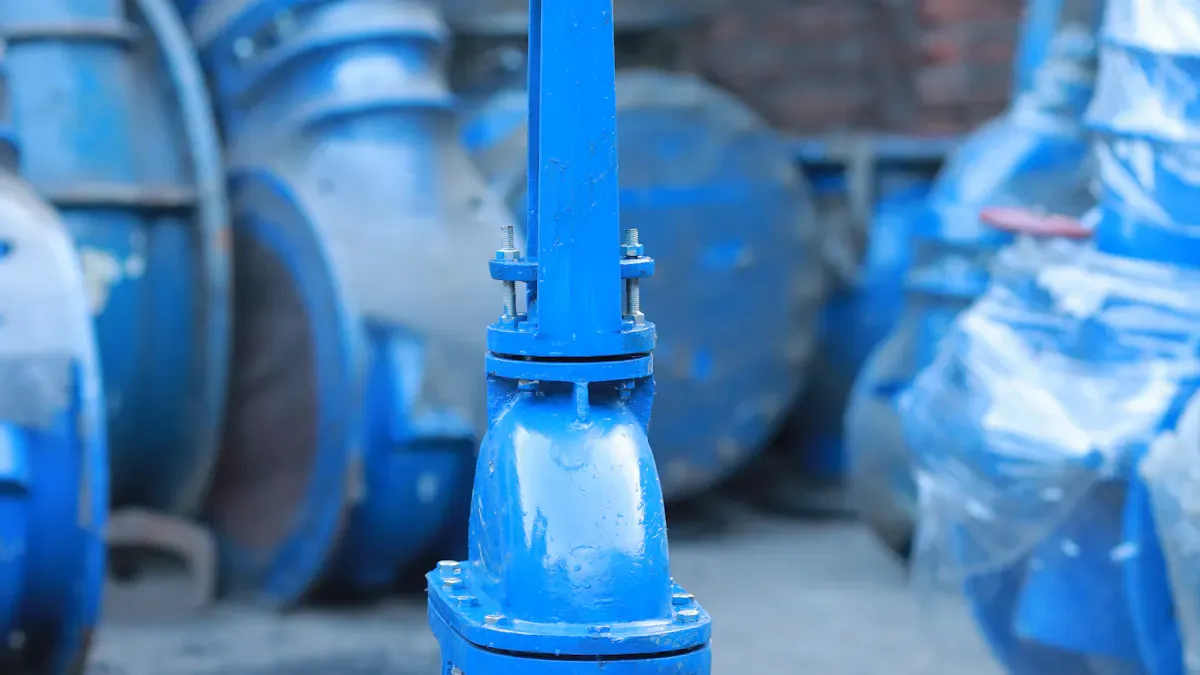
A Cast Steel Flanged Gate Valve helps control liquids or gases in pipes. This valve is best for turning the flow on or off. It cannot adjust how much liquid or gas moves through. You see these valves in oil and gas, water treatment, and power plants. The flanged ends make it simple to put the valve in place. These valves give a tight seal. This stops leaks and keeps your system safe.
Today, some trends are changing how these valves are made and used:
Sustainable manufacturing helps cut down waste and lowers pollution.
Better safety rules make sure valves are safe for everyone.
Customization lets you pick valves that fit your needs.
Following rules means valves meet world standards for quality and safety.
When you use a Cast Steel Flanged Gate Valve, you lift a gate out of the way. This lets liquid or gas move straight through with little blocking. If you lower the gate, you stop the flow and close the pipe. You do not use this valve to change how fast things move.
Here is an easy chart to show how gate valves and globe valves work:
|
Valve Type |
Mechanism Description |
Limitations |
|---|---|---|
|
Gate Valve |
Lifts a barrier out of the fluid path for straight flow |
Only for stopping or starting; not for adjusting flow |
|
Globe Valve |
Uses a different mechanism for throttling and regulation |
Can control flow better |
International rules like ISO make sure valves are always good quality. These rules help you trust valves from many companies will fit together. They also set safety steps to lower the chance of problems.
SpecificationsTip: Always look for certifications and standards before you buy a valve. This helps you get safe and good performance.
You need to choose the right material for your Cast Steel Flanged Gate Valve. The material affects how well the valve works in different environments. Some materials handle high pressure and heat. Others resist rust or work better in cold places. Here is a table to help you see the most common material grades and their uses:
|
Material Grade |
Properties and Applications |
|---|---|
|
Carbon Steel |
Good for high-pressure and high-temperature jobs in oil, gas, and chemical plants. |
|
Stainless Steel (304, 316) |
Great at fighting rust, perfect for places with corrosive liquids or gases. |
|
Alloy Steels |
Works well in very hot or harsh environments, often with special parts for extra strength. |
|
Brass |
Used for low-pressure jobs and in saltwater systems. |
WCB (ASTM A216 Grade WCB) is a popular carbon steel. It works from -20°F to 800°F. LCC (ASTM A352 Grade LCC) is a low-carbon steel. It can handle cold down to -50°F. You should always match the material to your system’s needs.
You must know the pressure and size range before you pick a valve. Cast Steel Flanged Gate Valves come in many pressure classes. Each class tells you how much pressure the valve can handle. The temperature range also matters. Here is a table to show you the typical pressure classes and temperature ranges:
|
Pressure Class |
Temperature Range (°C) |
|---|---|
|
150 |
-29 to 270 |
|
300 |
Up to 454 |
|
600 |
Varies |
|
900 |
Varies |
|
1500 |
Varies |
|
2500 |
Varies |
|
4500 |
Varies |
|
125 |
For grey cast iron only |
|
250 |
For grey cast iron only |
|
800 |
For forged steel only |
Most valves range in size from small (2 inches) to very large (over 24 inches). You should check your pipeline size and pressure needs before you choose.
Note: Always check the pressure and temperature ratings on the valve label. This helps you avoid leaks or damage.
You want your Cast Steel Flanged Gate Valve to meet global standards. Standards make sure your valve is safe and fits with other equipment. Here are some important standards you should know:
|
Standard |
Description |
|---|---|
|
API 600 |
Sets rules for steel gate valves in oil refineries, including design and testing. |
|
API 598 |
Lists how to test and inspect different valves, including gate valves. |
|
ASME/ANSI B16.34 |
Gives pressure and temperature ratings for steel valves and explains how to check them. |
LIANGGU VALVE follows these standards. This means you get valves that work well and last long. Flange types also matter. Most valves use raised face (RF) or flat face (FF) flanges. These flanges help you connect the valve to your pipeline easily and safely.
Features & OperationTip: Always ask for proof of standards when you buy a valve. This helps you get a product you can trust.
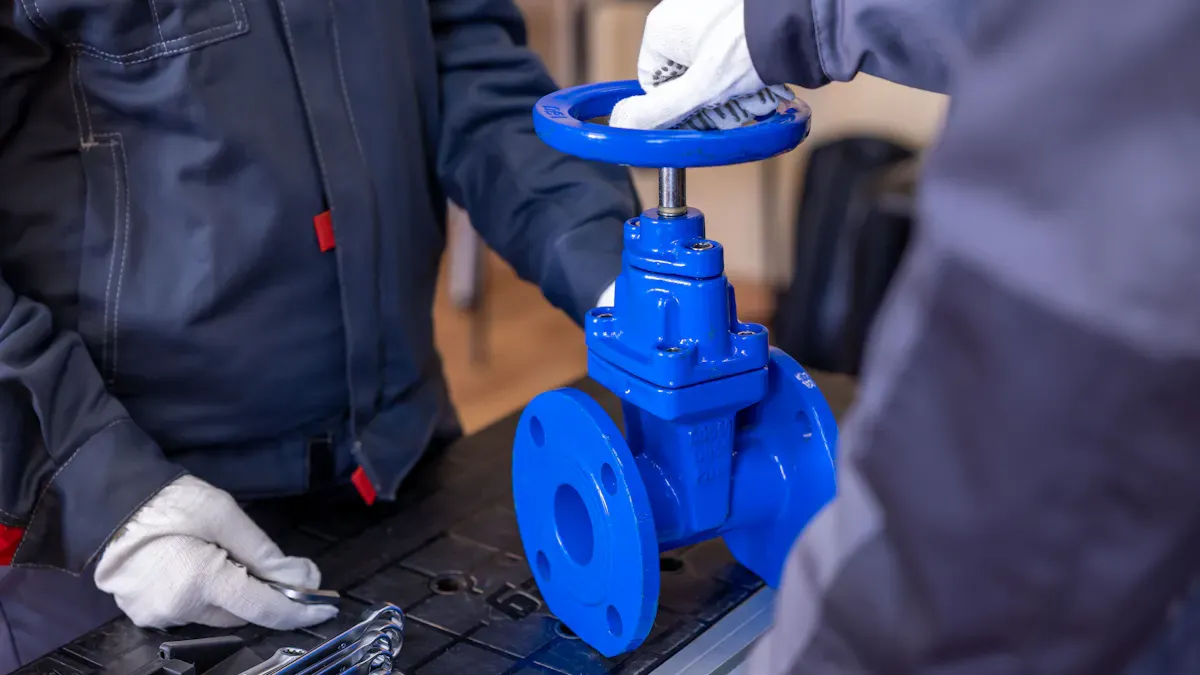
You will notice that a Cast Steel Flanged Gate Valve stands out because of its smart design. The table below shows the main design elements and what they do:
|
Design Element |
Description |
|---|---|
|
Full-flow passage |
Lets fluid move straight through when open, so you lose less pressure. |
|
Wedge sealing action |
Uses a wedge-shaped gate that presses tightly for a strong seal. |
|
Rising stem visibility |
Shows you if the valve is open or closed, making it easy to check during use. |
|
Compatibility with standards |
Meets rules like API 600, so you can trust it in tough jobs. |
These features help you get reliable performance in many settings.
When you operate a Cast Steel Flanged Gate Valve, you move a gate up or down inside the valve. This sliding gate design gives you several benefits:
The parallel slide stops the gate from getting stuck, which helps the seal work better.
You can adjust the discs on their own, so the valve lasts longer and wears out less.
Fewer moving parts mean you spend less time and money on repairs.
Here is a quick look at the main parts and what they do:
|
Component |
Description |
|---|---|
|
Valve Body |
Holds pressure from the pipeline and keeps everything together. |
|
Valve Bonnet |
Seals the top of the valve to stop leaks. |
|
Gate Disc |
Moves up or down to start or stop the flow. |
|
Valve Stem |
Connects the gate to the handle or motor, letting you move the gate. |
|
Actuator |
Lets you open or close the valve by hand or with a machine. |
You get many advantages when you use a Cast Steel Flanged Gate Valve:
Low resistance to fluid, so liquids and gases move easily.
Seals well in both directions, so you can use it either way.
Smooth action, so you can open and close it often.
Works well in high pressure and high temperature places.
Hard, wear-resistant materials help the valve last longer.
Cast steel gate valves work well for on-off control. You can count on them to give you a clear flow path when open. They fit many tough jobs in industry. LIANGGU VALVE offers options for special needs, so you can get a valve that matches your project. You also get reliable service and easy maintenance, which saves you time.
Applications of LIANGGU VALVE Gate ValveTip: Choose a valve that matches your system’s needs for the best results.
LIANGGU VALVE gate valves are used in many industries. They help control flow in factories and plants. These valves are strong and reliable for shutting off pipes. Here is a table showing some industries and projects where these valves are important:
|
Industry |
Notable Project |
|---|---|
|
Bio-fermentation and Pharmaceuticals |
Project for making Candida utilis protein |
|
Energy Conservation and Protection |
Valves delivered to a big coal chemical company in Shanxi |
|
Thermal Power Projects |
Used in big power projects like Huaneng Thermal Power Project and Guizhou Pannan 2×660 MW project |
These valves help with bio-fermentation, energy, and power jobs. They keep systems safe and working well.
Water treatment and power plants need good valves. LIANGGU VALVE gate valves shut off flow and last a long time. They handle high pressure and temperature changes. You can use them in clean water and steam systems. These valves meet strict standards like API600 and ASME B16.34. This means you get safety and good performance in every project.
Note: Always pick valves that match your system’s pressure and temperature. This stops leaks and keeps your plant working well.
Oil and gas work can be tough. Cast Steel Flanged Gate Valves are strong and last long. These valves meet API 600 and API 6D standards. You can use them in refineries, chemical plants, and pipelines. The valves have strong bodies and tight seals. They work in both above-ground and underwater pipelines.
Here is a table showing what you get with these valves in oil and gas:
|
Feature |
Description |
|---|---|
|
Engineering Standards |
API600, ASME B16.34, BS EN 558, ISO 5752 |
|
Performance |
Great performance and lasts in tough conditions |
|
Shut-off Capability |
Bubble-tight shut-off with little pressure drop |
|
Durability |
Very durable in oil, gas, chemical, and power jobs |
|
Manufacturer Reputation |
Trusted by big companies for important jobs |
LIANGGU VALVE makes valves that last in harsh places. These valves help keep your work safe and efficient.
Selecting the Right Cast Steel Flanged Gate ValveYou must pick a valve that works well in your system. First, think about what goes through your pipes. Is it water, oil, gas, or something that can cause rust? Each type needs a different valve material. Next, check how much pressure and heat your system has. High pressure or heat can break the wrong valve. You also need to know if you want the valve to just turn flow on and off, or if you need more control.
Here are some important things to think about:
Media characteristics: Is the fluid harsh, rough, or does it have bits in it?
Operating pressure and temperature: What are the usual and highest numbers?
Flow requirements: Do you need simple on/off or more control?
Installation space: How much space is there for the valve?
Industry standards: Does your job need API, ASME, or ISO rules?
Tip: Always check what your project needs before picking a valve. This helps you avoid spending extra money.
You can use a checklist to help you choose the right cast steel flanged gate valve:
Valve size and pressure rating
Material and trim (pick carbon steel, stainless steel, or alloy for your fluid)
End connection type (flanged, threaded, or welded)
Operator type (manual, gear, or electric actuator)
Process fluid details (what chemicals, thickness, or bits are in the fluid)
Temperature and pressure limits
Installation and project specifications
The table below shows how pressure, heat, and rules change your choice:
|
Aspect |
Why It Matters |
|---|---|
|
Pressure Rating |
Stops the valve from breaking by matching system pressure. |
|
Temperature Capability |
Makes sure the valve works safely at your system’s heat. |
|
Industry Standards |
Keeps your system safe and working well (API 600, API 603, ASME B16.34). |
If your job is tricky or needs something special, talk to experts. LIANGGU VALVE can help with custom solutions for your project. Their team can look at your needs and help you pick the best valve.
Note: For more help, ask LIANGGU VALVE’s technical team or check their product datasheets for all details.
You should know the cast steel flanged gate valve specifications to choose well for your projects. These valves have a gate or wedge-shaped disk to control flow. You can put them above ground or below ground. This makes them useful for many kinds of work. LIANGGU VALVE makes strong and high-quality valves. The company uses strict rules and checks every valve before sending it out. You will get valves that work well and are simple to take care of. Always look at the specifications and use trusted guides for the best results.
FAQYou use a cast steel flanged gate valve to start or stop the flow of liquids or gases in a pipeline. It works best for on-off control.
You should not use a gate valve to regulate flow. The valve is designed for full open or full closed positions. It does not control flow rate.
You check the type of fluid, pressure, and temperature in your system. Pick carbon steel for high pressure. Choose stainless steel for corrosive fluids.