

Date:2026-06-10 Views:26
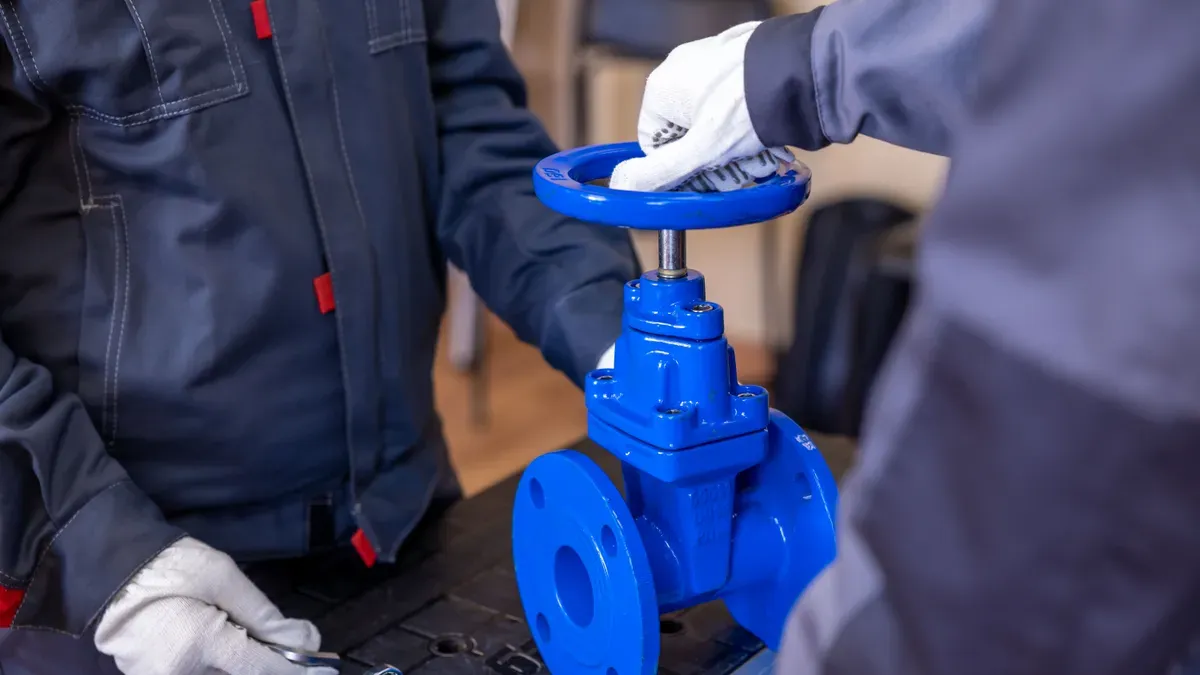
The face-to-face dimension of a gate valve is important. It is the space between two flat sides where the valve joins the pipeline. Groups like ASME B16.10 set rules for these sizes. These rules help make sure valves fit during installation. Engineers use a table to check gate valve face to face dimensions. This helps them pick the right size. LIANGGU VALVE makes gate valves that follow these rules. Their valves are reliable and meet the needed standards.
Key TakeawaysThe face-to-face dimension is very important for gate valves. It helps the valve fit well in pipelines. This stops leaks and problems when installing.
Standard sizes from ASME B16.10 make it easy to change valves. You can use valves from different companies. This makes them work together better.
Always check the face-to-face dimension carefully before you install. This stops expensive errors and makes sure the valve fits right.
LIANGGU VALVE products follow global rules. They give good choices for many industries and uses.
Picking the right gate valve saves both time and money. You must choose carefully by size, pressure class, and type.

The face-to-face dimension is the space between two flat ends of a gate valve. These ends connect to the pipeline flanges. This measurement is very important. It shows how much room the valve needs in the pipeline. Groups like ASME B16.10 set rules for these sizes. These rules make sure valves from different companies can be swapped. This helps engineers and workers avoid problems when putting in or fixing valves.
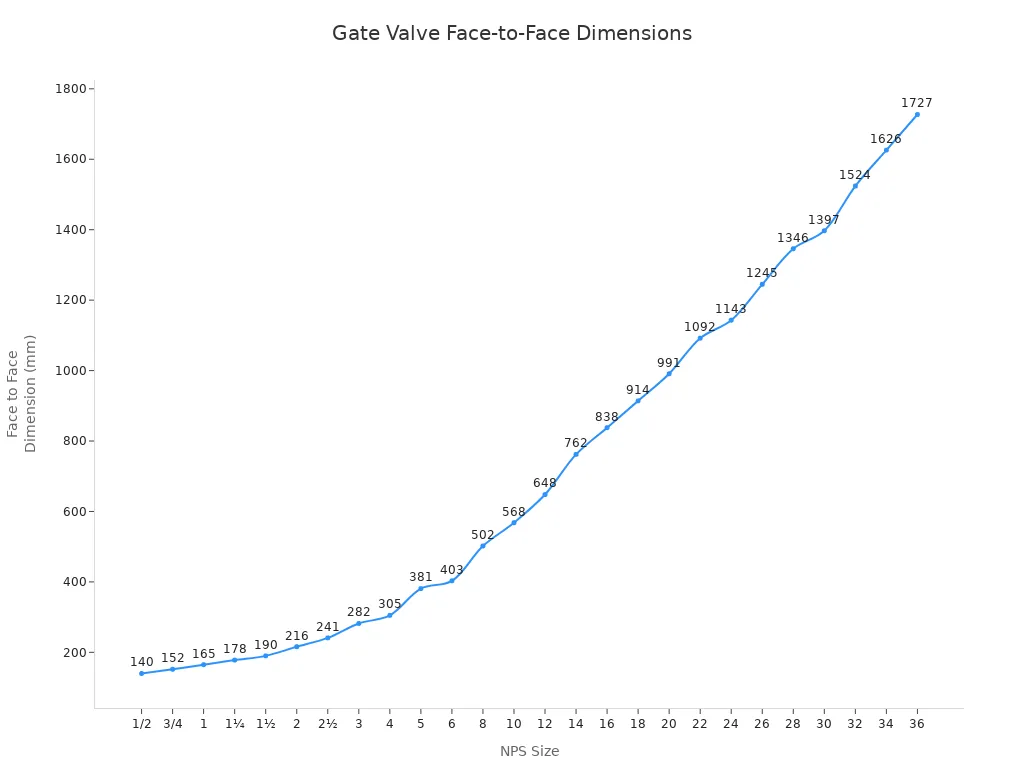
Gate valve face to face dimensions change with the pipe size. The table below lists common sizes. These sizes follow ASME B16.10 rules:
|
NPS |
Face to Face Dimensions (mm) |
|---|---|
|
1/2 |
140 |
|
3/4 |
152 |
|
1 |
165 |
|
1¼ |
178 |
|
1½ |
190 |
|
2 |
216 |
|
2½ |
241 |
|
3 |
282 |
|
4 |
305 |
|
5 |
381 |
|
6 |
403 |
|
8 |
502 |
|
10 |
568 |
|
12 |
648 |
|
14 |
762 |
|
16 |
838 |
|
18 |
914 |
|
20 |
991 |
|
22 |
1092 |
|
24 |
1143 |
|
26 |
1245 |
|
28 |
1346 |
|
30 |
1397 |
|
32 |
1524 |
|
34 |
1626 |
|
36 |
1727 |
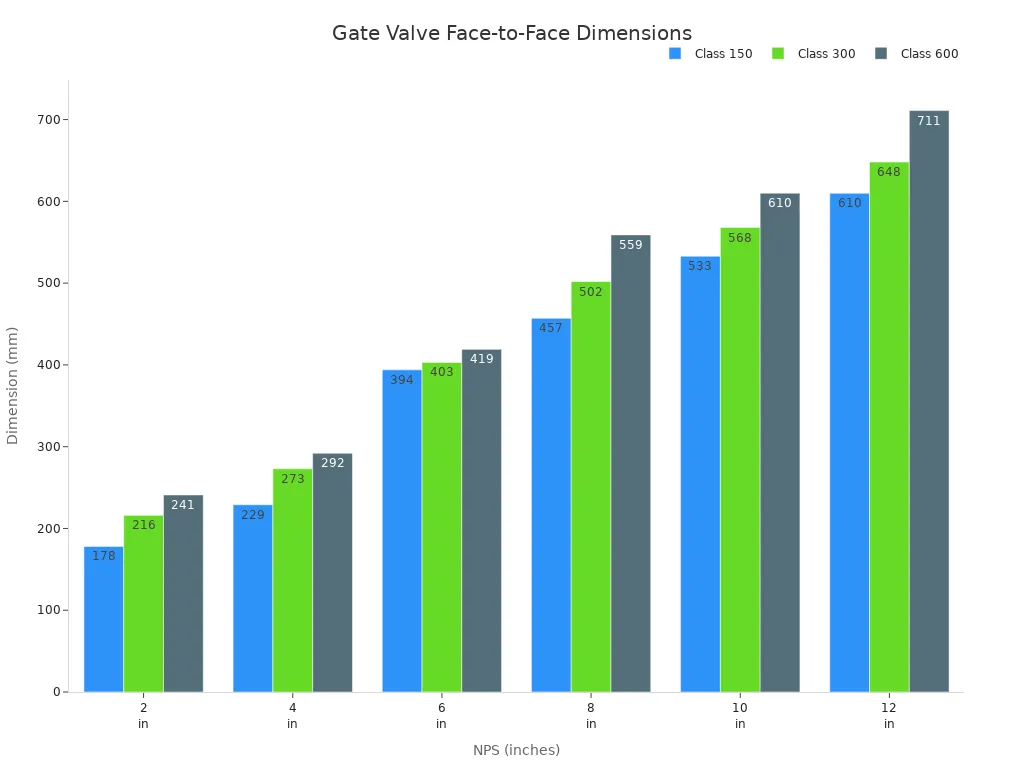
The chart below shows that bigger valves need more space:
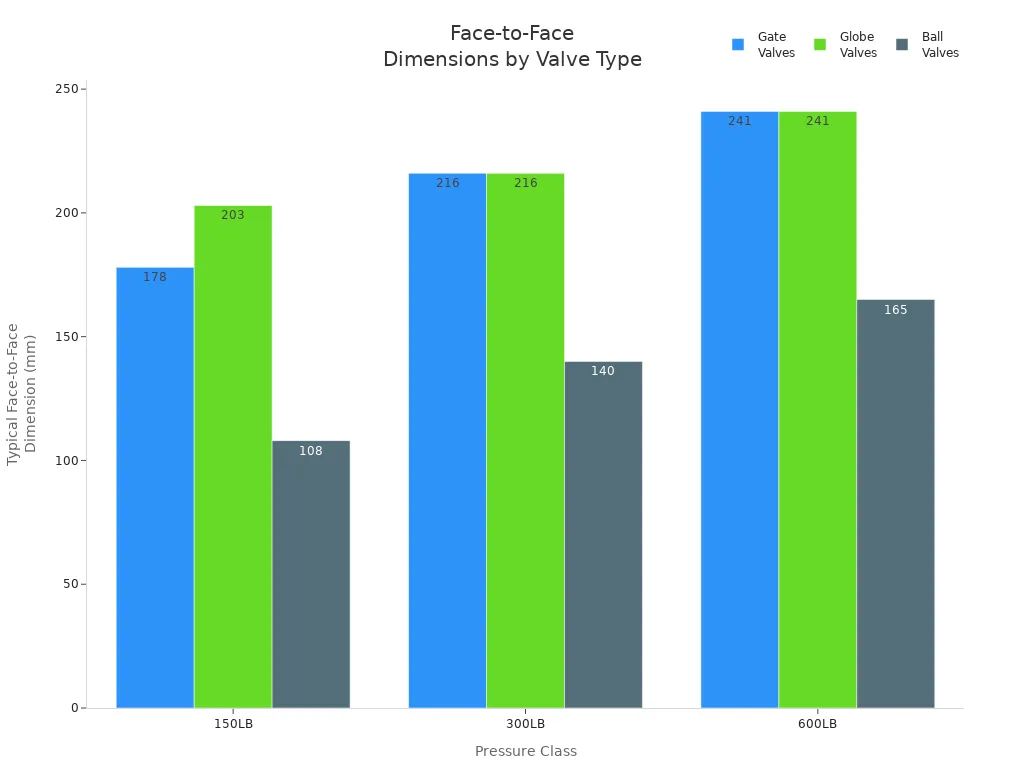
Gate valve face to face dimensions are not the same as other valves. The table below compares gate, globe, and ball valves for different pressure levels:
|
Valve Type |
Pressure Class |
Size Range (DN) |
Typical Face to Face Dimensions (mm) |
|---|---|---|---|
|
Gate Valves |
150LB |
DN50–DN600 |
178–635 |
|
|
300LB |
DN50–DN600 |
216–635 |
|
|
600LB |
DN50–DN600 |
241–635 |
|
Globe Valves |
150LB |
DN50–DN400 |
203–610 |
|
|
300LB |
DN50–DN400 |
216–610 |
|
|
600LB |
DN50–DN400 |
241–610 |
|
Ball Valves |
150LB |
DN15–DN300 |
108–457 |
|
|
300LB |
DN15–DN300 |
140–559 |
|
|
600LB |
DN15–DN300 |
165–559 |
The grouped bar chart below shows these differences:
Having the right face-to-face dimension is very important. If the valve does not fit the pipeline, leaks or problems can happen. Standard sizes make it easy to change or fix valves. Workers know a valve with the right measurement will fit. This saves time and keeps the system working well.
LIANGGU VALVE makes gate valves that follow world rules for face-to-face sizes. Their valves help engineers and workers install valves easily in many industries.
Face-to-Face Dimensions StandardsASME B16.10 is an important rule for gate valve face to face sizes. It gives the needed measurements for flanged and butt-welded end steel valves. This rule helps engineers pick valves that fit pipelines without needing changes. The table below lists common face-to-face sizes for gate valves and other valve types from ASME B16.10:
|
NPS |
Gate Solid Wedge |
Gate Conduit |
Plug Short Pattern |
Plug Regular Pattern |
Plug Venturi Pattern |
|---|---|---|---|---|---|
|
1/2 |
108 |
|
|
|
|
|
3/4 |
117 |
|
|
|
|
|
1 |
127 |
140 |
|
|
|
|
1.1/4 |
140 |
|
|
|
|
|
1.1/2 |
165 |
165 |
|
|
|
|
2 |
178 |
178 |
178 |
|
178 |
|
2.1/2 |
190 |
190 |
190 |
|
|
|
3 |
203 |
203 |
203 |
|
203 |
|
4 |
229 |
229 |
229 |
305 |
229 |
|
5 |
254 |
|
254 |
381 |
|
|
6 |
267 |
267 |
267 |
394 |
394 |
|
8 |
292 |
292 |
292 |
457 |
457 |
|
10 |
330 |
330 |
330 |
533 |
533 |
|
12 |
356 |
356 |
356 |
610 |
610 |
|
14 |
381 |
381 |
|
686 |
686 |
|
16 |
406 |
406 |
|
762 |
762 |
|
18 |
432 |
432 |
|
864 |
864 |
|
20 |
457 |
457 |
|
914 |
914 |
|
22 |
|
508 |
|
|
|
|
24 |
508 |
508 |
|
1067 |
1067 |
|
26 |
559 |
559 |
|
|
|
|
28 |
610 |
610 |
|
|
|
|
30 |
610 |
660 |
|
|
|
|
32 |
|
711 |
|
|
|
|
34 |
|
762 |
1016 |
|
|
|
36 |
711 |
813 |
|
|
|
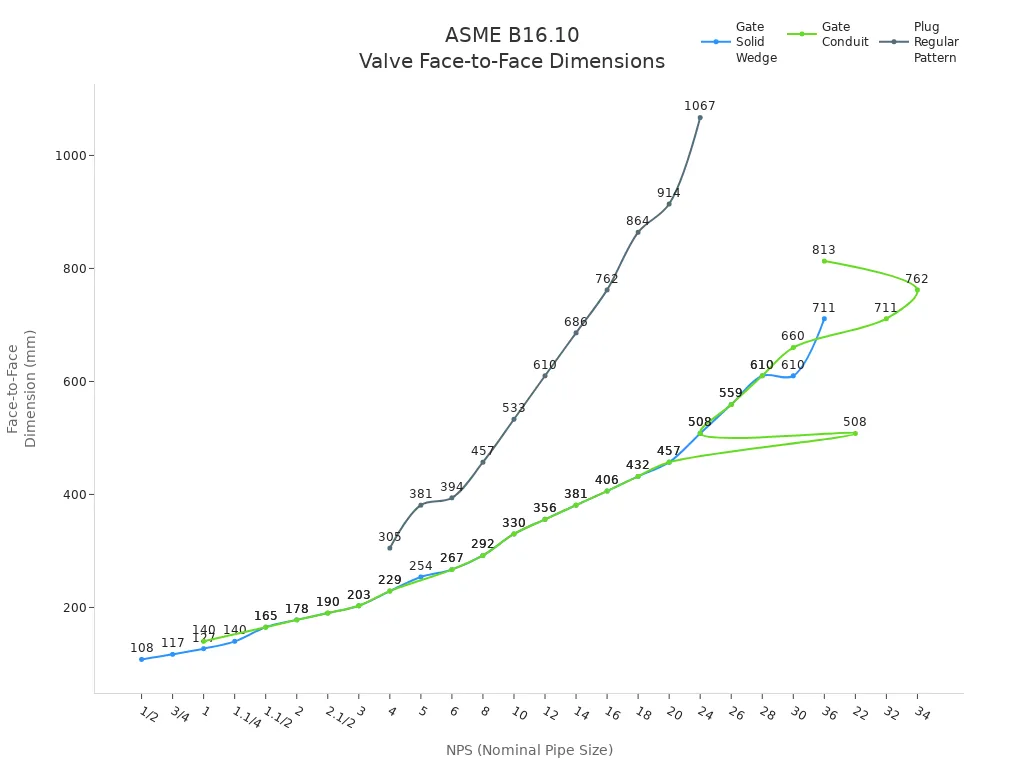
ASME B16.10 makes sure valves can be swapped and used together. This makes putting in and fixing valves much easier.
Many countries use rules like ISO and DIN for gate valve face to face sizes. ISO uses DIN 3202 and ASME B16.10 to set the measurements for valves. These rules help engineers and workers pick valves that fit pipelines in different places. They also let people swap valves from many companies without trouble. Having the same rules makes piping systems safer and work better.
Note: International standards help valves work in many countries and make picking valves for big projects easier.
LIANGGU VALVE follows ASME B16.10 and other world rules for gate valve face to face sizes. The company gives clear details for each valve type and size. This makes sure their valves have the right measurements for easy installation and use. LIANGGU VALVE uses strong materials and careful testing. Their gate valves are trusted and fit pipelines in many jobs. Engineers count on LIANGGU VALVE for valves that meet world rules and work well every time.
Measuring Face to Face Dimensions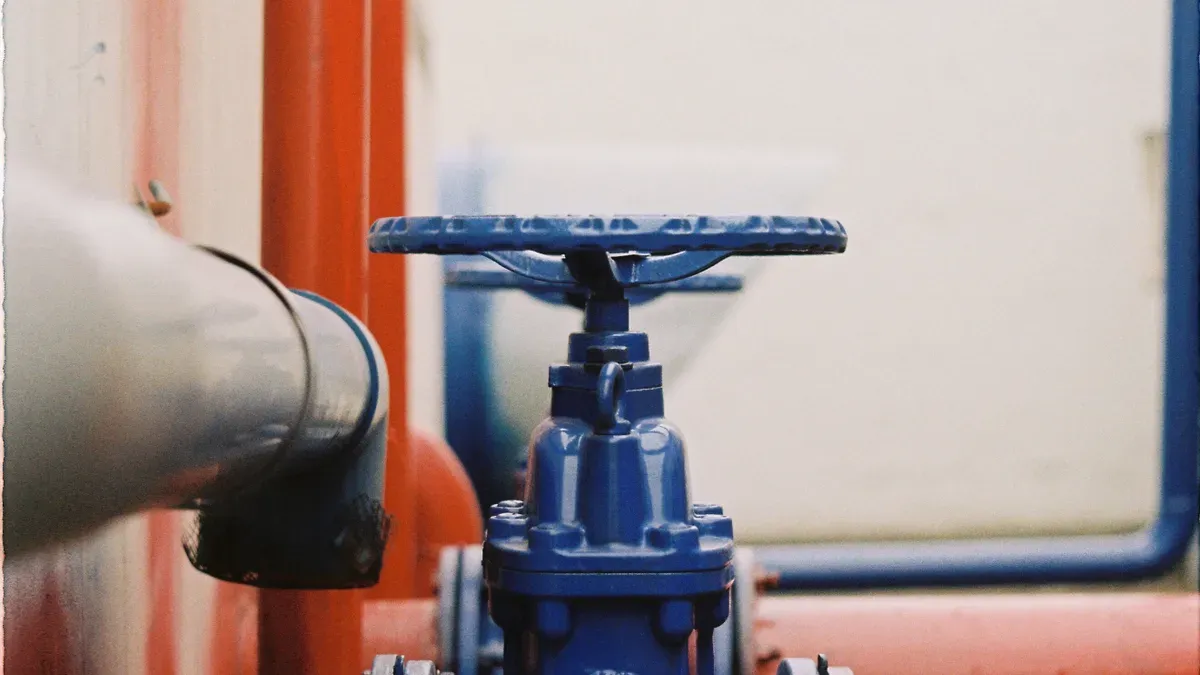
Measuring the face-to-face dimension is easy to do. First, put the gate valve on a flat table. Get a tape measure or a caliper. Measure from one flat end of the valve to the other flat end. These ends are where the valve connects to the pipeline flanges. Make sure you measure from the sealing surface on one side to the sealing surface on the other side. This helps you know if the valve will fit in the pipeline.
Tip: Always look at the manufacturer's datasheet for the right face-to-face dimension before you install the valve.
Face to face dimensions can be different for each valve type and class. Gate valves, globe valves, and ball valves may have different measurements. This is true even if they fit the same pipe size. The pressure class also changes the dimension. Valves for higher pressure often have thicker bodies. This can make the face-to-face measurement bigger. Always check the valve type and class when you pick a new valve or need a replacement.
Here is a quick checklist:
Check the valve type (gate, globe, ball)
Confirm the pressure class (like 150LB, 300LB, 600LB)
Match the size and face-to-face dimension with your pipeline
Face-to-face dimensions are the space between the sealing surfaces of the valve’s inlet and outlet flanges. End-to-end dimensions are the space between the ends of flanged valves where the gasket surfaces are not at the very end. This difference is important. It helps workers change valves without moving the pipes. This is very helpful during repairs or maintenance. Knowing the difference helps engineers and workers pick the right valve and avoid mistakes that cost money.
Selecting the Right Gate ValveIt is important to pick a gate valve that fits your piping system. The face-to-face dimension must match the space in the pipeline. This measurement makes sure the valve sits in the right spot between flanges. Engineers should check the valve’s pressure class and what it is made of. These things change how the valve works in different situations. If you pick the wrong valve, leaks or hard installation can happen. Always look at the valve’s details and compare them to what the pipeline needs. Doing this helps stop expensive changes when putting in the valve.
LIANGGU VALVE has many gate valves for lots of industries. The company uses special forging, casting, and CNC machines to make strong valves. Every valve follows strict world rules for face-to-face sizes. LIANGGU VALVE has its own places to cast and forge, so they can check quality better. Their products come in many sizes and pressure classes. These valves are used in nuclear power, petrochemicals, and water treatment. Engineers can pick from materials like stainless steel or carbon steel for their job. The valves work for new systems and for fixing old ones.
Tip: Always check the maker’s datasheet for the right face-to-face size before you choose a valve.
Picking the wrong gate valve can cause trouble. Here are some mistakes to watch out for:
Mixing up flange outside diameter and valve size, which can make the valve not fit.
Not checking the pressure rating, so the valve might bend or break if it gets too hot.
Choosing a short-pattern valve without looking at the piping layout, especially when fixing old systems.
Measuring the plate diameter wrong, which can make leaks or make the valve hard to use.
Not checking the face-to-face size, which can mean you need to change or replace parts.
Choosing the right gate valve saves time and money. Careful measuring and checking details help the valve go in easily and work well.
Standard gate valve face to face dimensions help pipelines work safely and reliably. These sizes also save money. ASME B16.10 and other rules like ISO 5752 and EN 558 make sure valves fit and work as they should. The table below shows why using standard sizes is good:
|
Benefit |
Description |
|---|---|
|
Enhanced Compatibility |
Standard sizes let valves from different makers swap easily. This makes buying valves simple and cuts down on waiting time. |
|
Improved Safety and Reliability |
Following ASME B16.10 helps make valves safe. It also helps them work well and lowers the chance of problems. |
|
Cost Savings |
Standard sizes mean you do not need special parts. This lowers costs to put in valves and makes fixing them faster. |
LIANGGU VALVE makes gate valves that follow world rules. Their valves are trusted for big jobs everywhere. Always check official rules and catalogs for more details.
FAQThe face-to-face dimension is the space between two flat ends. It tells you how much room the gate valve needs in the pipeline.
Standard sizes help gate valves from different companies fit the same pipeline. This makes it easier for workers to put in, change, or fix the valves.
Always look at the valve’s datasheet or check rules like ASME B16.10. The maker’s catalog will show the right face-to-face size for each valve.
If you use a valve with the wrong face-to-face size, it might leak or not fit right. Always make sure the valve’s face-to-face size matches your pipeline.
LIANGGU VALVE has many standard sizes. For special jobs, they might make custom sizes. You can ask their technical team for more details.