

Date:2026-06-08 Views:42
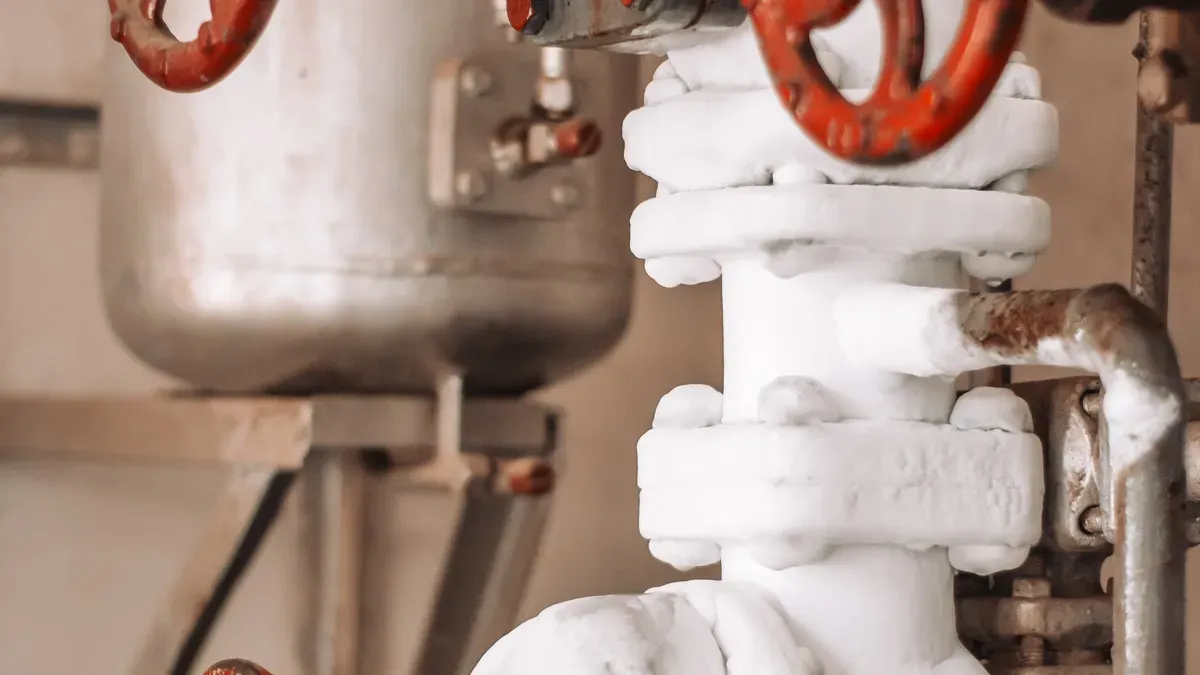
You need a tough and dependable way to control flow in high-pressure systems. An API High Pressure Gate Valve is made for this job. The American Petroleum Institute, called api, has strict rules for these valves. The api 6A rule proves these valves can handle very high pressure. They can also deal with hot temperatures and harmful fluids. You see api valves used in wellhead systems and drilling work. The api rules help keep your work safe and steady. LIANGGU VALVE has many years of making these important api products.
Key TakeawaysAPI High Pressure Gate Valves help control flow in strong systems. They keep things safe and work well. These valves must meet strict API rules. This means they can handle high pressure, heat, and strong chemicals. Picking the right materials, like carbon steel or stainless steel, makes the valve last longer. It also helps the valve work better in hard places. Testing the valves often and following API rules stops leaks. It also helps the valve work right and lowers repair needs. LIANGGU VALVE sells good API valves and gives expert help. Many industries trust them for their needs.
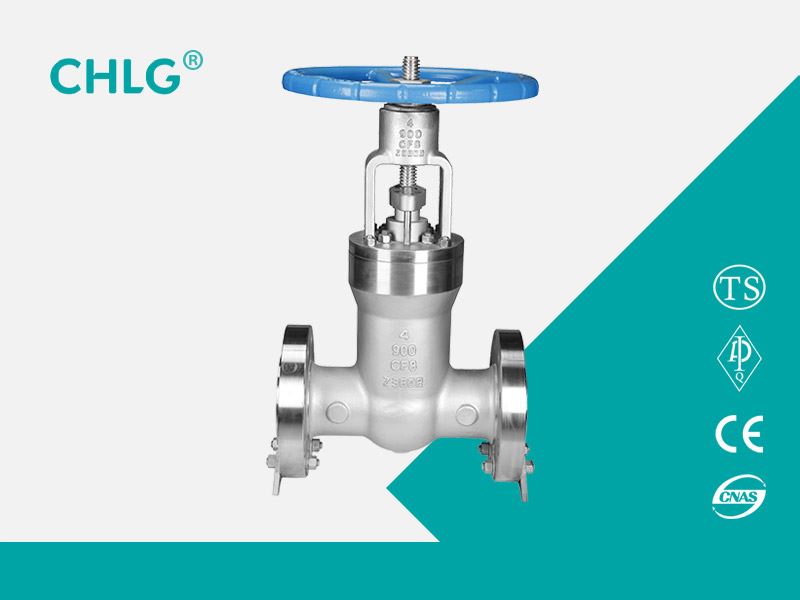
Sometimes, you need a strong way to control flow in hard places. An api high pressure gate valve helps you do this job. This valve has a sliding gate that opens or closes to let liquids or gases move. You see these valves where pressure is very high and safety is important. The api high pressure gate valve is special because it follows strict api rules. These rules make sure the valve can handle high pressure, high heat, and tough chemicals.
The main parts of an api high pressure gate valve work together to keep things safe and working well. Here is a table that lists the main parts and what they do:
|
Component |
Description |
|---|---|
|
Body |
Holds pressure, made from strong metals like carbon steel or stainless steel |
|
Bonnet |
Covers the stem and packing, bolted for strength |
|
Wedge (Gate) |
Moves to open or close the flow, comes in different designs |
|
Stem |
Connects the handwheel to the gate, can rise or stay fixed |
|
Seat Rings |
Provide a tight seal, built for tough service |
|
Stem Packing & Gland |
Seals around the stem, uses special materials for different needs |
|
Handwheel/Actuator |
Lets you open or close the valve, can be manual or powered |
When you use an api high pressure gate valve, you get something made for hard work. The design stops leaks and keeps things working even when pressure goes up.
You want to be sure your valve follows the right rules. Api standards set the rules for safety, quality, and how well it works. These rules say how the valve is made, tested, and used. Here is a table that shows the main api standards and how they are different:
|
API Standard |
Application |
Key Differences |
|---|---|---|
|
API 600 |
High-pressure pipelines, refineries |
General use, bolted bonnet steel gate valves |
|
API 6A |
Wellhead and Christmas tree |
Wellhead-specific, tight sealing, high pressure control |
|
API 602 |
Small-bore piping |
Compact, for high-pressure environments |
|
API 603 |
Corrosion-resistant applications |
Lightweight, for lower-pressure use |
|
API 624 |
Environmental compliance |
Focus on reducing emissions |
|
API 6D |
Oil and gas pipelines |
Full bore, minimal pressure drop |
|
API 6FA |
Fire safety |
Tests sealing during fire |
There are many kinds of api high pressure gate valve you can buy. Each kind has features for different jobs:
API 600 gate valves control flow by moving a gate up or down.
These valves are strong and work well for high pressure.
The design helps stop leaks and keeps things running.
You find them in oil and gas, water plants, power plants, chemical plants, ships, mines, HVAC, petrochemical, farms, and fire systems.
Thick walls and good materials help them handle high pressure and heat.
They follow strict api rules for safety and how well they work.
You can control flow both ways with little pressure lost when open.
The seals stop leaks and help your system work better.
You want a company that knows how to make a good api high pressure gate valve. LIANGGU VALVE has many years of experience and cares about quality. The company follows top api rules like API 6D, API 600, and others. Every valve is tested hard, even with high pressure and heat. LIANGGU VALVE uses strong materials and smart designs to make sure each gate valve works for you.
You also get peace of mind because LIANGGU VALVE has certifications. The company meets ISO quality rules and has CE certification for safety. You can trust every api high pressure gate valve from LIANGGU VALVE to work well in tough jobs. The team helps you from start to finish, making sure you get the right valve for your needs.
Features & Specifications of API Gate ValvesTip: If you pick LIANGGU VALVE, you get a product that meets world standards and a team that supports every gate valve.
You need to know what makes an api 600 gate valve strong and reliable. The materials used in each gate matter a lot. You often see carbon steel and alloy steel in these valves. These metals work well under high pressure and heat. Stainless steel is also common, especially when you need to fight corrosion. The right material helps your valve last longer and keeps it safe in tough places.
Carbon steel works well for most high-pressure jobs.
Alloy steel gives extra strength for higher temperatures.
Stainless steel resists rust and chemicals.
Duplex stainless steel handles very harsh conditions.
The choice of material affects how well your gate valve works. If you pick the right one, you get better durability and less risk of leaks. The design of the gate also helps the fluid move smoothly. This means you lose less pressure and get better flow.
Note: The environment where you use the valve decides which material you need. For oil, gas, or chemical plants, you want a gate that can handle tough fluids and high pressure.
You also want to know about the construction. Each api 600 gate valve has a body, bonnet, wedge, stem, and seat rings. These parts work together to give you a tight seal. The stem moves the gate up and down. The seat rings help stop leaks. The bonnet covers the stem and keeps everything in place. Good construction means your valve can handle high pressure and last for years.
You must check the pressure rating before you pick a valve. The api 600 gate valve is made for high-pressure jobs. The rating tells you how much pressure the valve can handle at different temperatures. This helps you avoid accidents and keeps your system safe.
Here is a table that shows the pressure ratings for an api 600 gate valve at different temperatures:
|
Temperature |
Maximum Pressure Rating |
|---|---|
|
Ambient (20°C) |
10.0 MPa |
|
200°C |
9.1 MPa |
|
260°C |
8.6 MPa |
|
371°C |
7.8 MPa |
|
427°C |
7.1 MPa |

You see that as the temperature goes up, the pressure rating goes down. This is normal for any gate valve. You need to match the valve to your system’s highest pressure and temperature. If you do this, you get safe and steady flow.
Testing is a big part of making sure your api 600 gate valve works right. Each valve goes through strict testing before it leaves the factory. This includes pressure testing, seat testing, and shell testing. These tests check for leaks and make sure the gate can handle the pressure. You want a valve that passes every test. This is why you should choose api 600 gate valve manufacturers and api 600 gate valve suppliers who follow all the rules.
Tip: Always ask for the testing records when you buy an api 600 certified valve. This gives you proof that your gate valve meets all the specifications.
You have many choices when it comes to the design of your api gate valve. The main types are rising stem and non-rising stem. A rising stem lets you see if the valve is open or closed. A non-rising stem saves space and works well in tight spots.
The wedge, or gate, comes in different shapes. You can pick a solid wedge, flexible wedge, or split wedge. Each type has its own use. A solid wedge is strong and simple. A flexible wedge handles changes in temperature. A split wedge works well when you need a tight seal.
End connections are also important. They decide how you connect the valve to your pipes. Here are the main types:
Flanged ends make it easy to install and remove the valve. They work well for high-pressure jobs.
Threaded ends let you put the valve in or take it out quickly. These are good for small pipes.
Butt-welded ends give you a strong, leak-proof connection. You use these when you want a permanent setup.
Here is a table that shows the main end connection types and their standards:
|
End Connection Type |
Standard |
Description |
|---|---|---|
|
Flanged Ends |
ASME B16.5 / EN 1092-1 |
Easy to install, good for high pressure |
|
Butt Weld Ends |
ASME B16.25 |
Strong, permanent, leak-proof |
|
Socket Weld Ends |
ASME B16.11 |
Good for small pipes, strong fit |
|
Threaded Ends |
ANSI B1.20.1 (BSP / NPT) |
Quick to assemble, best for small jobs |
Testing is important for every design. Each api 600 gate valve goes through testing for leaks, strength, and performance. This makes sure you get a valve that works every time. Good api 600 gate valve manufacturers and api 600 gate valve suppliers always test their products before sending them to you.
Remember: The right design and end connection make your job easier and safer. Always check the specifications and testing records before you choose your gate valve.
You see that api 600 gate valve suppliers like LIANGGU VALVE offer many options. You get valves that meet all api rules, pass strict testing, and fit your needs. This is why so many people trust api 600 gate valve manufacturers who care about quality and safety.
How API Gate Valves Work
You use an API gate valve to control flow in high pressure systems. The gate moves up or down inside the valve body. When you open the valve, the gate goes up. This lets oil or gas move through easily. There is nothing blocking the flow. This is important for high-pressure jobs. When you close the valve, the gate goes down. It fits tightly against the sealing surfaces. This stops all fluid from moving. You use this on-off action to keep things safe. It is very useful in oil and gas work. API gate valves are best when you need full flow or a complete stop.
API gate valves work in high pressure places.
The gate gives full flow when open and blocks flow when closed.
You use these valves to stop flow in high-pressure jobs.
The gate moves up to let fluids pass.
The valve seals tightly to stop leaks.
You depend on the seal of an API gate valve for safe flow control. The gate uses a solid wedge. This wedge presses against strong seat rings. The metal-to-metal seal stops leaks, even when pressure and heat are high. You need this tight seal to keep fluids from escaping. It keeps your system safe. The valve’s seal makes sure no bubbles get through. This is very important in oil and gas work. You can trust the gate to shut off flow completely. This makes it good for high-pressure jobs where safety matters.
Note: The strong seal of API gate valves helps you avoid leaks and keeps pressure steady in your system.
API gate valves have many benefits in high pressure systems. They handle strong pressure and work in hot and cold places. They resist rust and damage from harsh fluids. The gate seals tightly, so leaks are rare and you need less maintenance. You can use these valves in oil and gas pipes, chemical plants, water systems, and power plants. API gate valves follow strict rules, so you can trust them in tough jobs.
|
Feature |
API Gate Valves |
Other Valve Types |
|---|---|---|
|
Pressure Handling |
Up to 20,000 psi |
Usually lower pressure ratings |
|
Temperature Tolerance |
Works in hot and cold places |
Smaller range |
|
Corrosion Resistance |
Strong materials for harsh fluids |
Varies a lot |
|
Sealing Capability |
Tight seals, stops leaks |
Often not as good |
|
Durability |
Lasts long, needs little care |
Sometimes needs more upkeep |
|
Compliance |
Meets strict API rules |
May not meet industry rules |
You benefit from API gate valves because they are made for extreme pressure. They use materials that resist rust. They work in many temperatures. These features make them reliable for high-pressure jobs in many industries.
Applications of API High Pressure Gate ValvesYou find api high pressure gate valves in many oil and gas jobs. These valves help control flow and keep systems safe. People use them in several important places. Drilling operations need strong valves for high pressure deep underground. Pipelines use api valves to move oil and gas far. Refineries use these valves to manage flow and pressure. Petrochemical plants need api valves for handling chemicals and gases. Wellheads use api high pressure gate valves for flow control and emergency shut-off. They also use them for isolation during repairs. You trust these valves because they meet strict api rules. They are tough and flexible for hard oil and gas work.
You also see api high pressure gate valves in power, marine, and mining jobs. These industries need good flow control for safety and efficiency. More people want these valves all over the world. Here is a table that shows some global trends:
|
Metric |
Value |
|---|---|
|
Total valves sold globally (2023) |
146 million |
|
Valves sold in key regions |
124 million |
|
Investment activity |
Over $5.8 billion |
|
M&A deals analyzed |
24 |
|
Units delayed by supply chain |
3.1 million |
Power plants use these valves to control steam, water, and fuel. Marine systems use them for seawater filtration and engine cooling. Mining projects need api valves for slurry, water, and gas under high pressure. You also see these valves in chemical and petrochemical plants. They handle harsh fluids and high heat.
You want a company with real experience. LIANGGU VALVE gives api high pressure gate valves for oil, gas, power, marine, and mining jobs. The company has supplied aluminum bronze valves for marine seawater filtration. They also made high-pressure electric gate valves for mining in Africa. You get help from their smart ideas and strict quality checks.
There are new trends in the industry now. Many companies use smart valve technology and IoT sensors for better monitoring. Digital twin models help you know when to do maintenance. Companies like LIANGGU VALVE make modular and custom solutions for your needs. You get products that meet or beat safety rules, even as laws get stricter.
Importance of API ComplianceNote: Using api high pressure gate valves helps stop leaks and keeps things safe. But you should also think about the environment. Valve use and making can affect energy, waste, and nature. Always pick a supplier who cares about both performance and responsibility.
You must trust your equipment in high-pressure places. Using an api gate valve that meets api rules keeps you safer. These valves seal tight and help stop leaks or blowouts. This lowers the chance of accidents and keeps your team safe. Api rules also help your valve last longer and need less fixing. You spend less time on repairs and more time working.
Here is a table that lists the main benefits of api-compliant gate valves:
|
Benefit |
Description |
|---|---|
|
Enhanced Safety |
api 6A gate valves seal high-pressure systems and prevent leaks. |
|
Durability and Reliability |
These valves handle extreme pressures and reduce maintenance needs. |
|
Optimized Performance |
api valves give you precise flow control and less downtime. |
|
Compliance with Standards |
You meet global safety and quality rules with api valves. |
|
Cost Efficiency |
Long-lasting valves lower repair and replacement costs. |
If you use valves that do not follow api rules, you face problems. You might not get the right certifications. Your equipment could be banned in some places. Not following the rules can cause more accidents and safety issues.
You want to pick the best api gate valve for your job. First, think about what you need the valve to do. How often will you use it? What kind of control do you need? Look at your space. Some spots are small or have weight limits. Make sure you can reach the valve for easy use and repairs.
It is easier to fix a valve if spare parts are easy to find. You should also check if the valve is simple to repair. Standards help you choose, install, check, and fix your valve. They give you clear steps for safe and steady use.
Here is a table to help you pick the right api gate valve:
|
Criteria |
Description |
|---|---|
|
Operational requirements |
How often you use the valve and what control you need. |
|
Installation constraints |
Space, weight, and how easy it is to reach the valve. |
|
Maintenance considerations |
Spare parts and how easy it is to repair the valve. |
Tip: Always make sure your api gate valve meets the latest api rules. This helps you avoid trouble with setup, repairs, and safety.
If you follow api rules, your system is safer and easier to use. You also protect your money and keep your work running well.
You now understand why an api high pressure gate valve is important for hard jobs. These valves offer:
Strong power for very tough places.
Materials that last and fight rust.
Good work in both hot and cold.
Seals that keep leaks away.
Designs and tests that help keep you safe.
You find api valves in oilfields, pipelines, drilling rigs, and offshore platforms. Picking api-compliant valves from LIANGGU VALVE gives you trusted quality and expert help. For your next high-pressure job, go to the official website to get the right api valve.
FAQYou use an API high pressure gate valve to turn flow on or off. It works with liquids or gases in pipes. These valves are best for places with high pressure and heat.
No, you should not use an API gate valve to control flow amount. It is only for turning flow on or off. The design does not let you adjust flow exactly.
You can pick from a few materials:
Carbon steel is good for most jobs.
Stainless steel fights rust and lasts longer.
Alloy steel works well when it gets very hot.
The best material depends on where you use the valve.
You need to check the valve’s papers and test results. Look for marks like API 600 or API 6A. These marks show the valve follows strict rules.
You get products you can trust and strong quality checks. LIANGGU VALVE makes valves that follow API rules and work in many places. You can count on their skill and help.