

Date:2026-06-16 Views:22
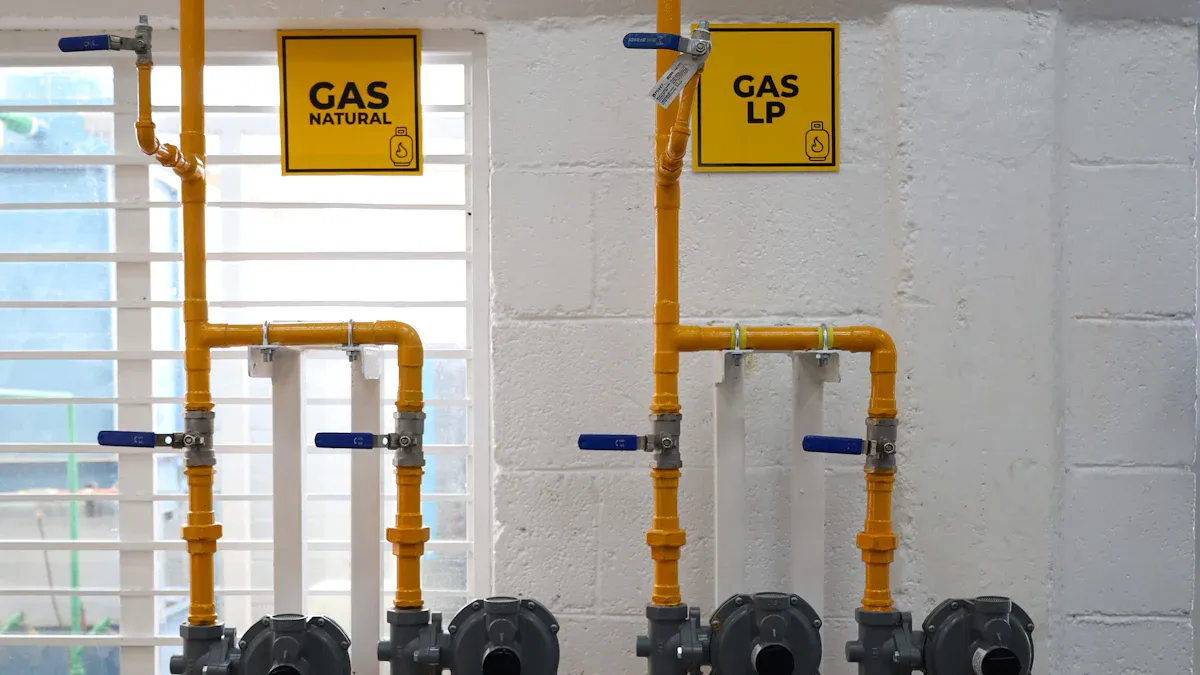
A cryogenic gate valve LNG LPG is essential for controlling the flow of extremely cold liquid gases in specialized systems. These valves are specifically designed for LNG and LPG applications, where standard valves may fail due to the harsh, low-temperature environment. Using a cryogenic gate valve LNG LPG ensures reliable operation, prevents leaks, and maintains safe pressure levels—critical factors for safety in these systems. The demand for cryogenic gate valve LNG LPG solutions is rapidly increasing, with the global market expected to reach USD 4.46 billion by 2026.
|
Metric |
Value |
|---|---|
|
Global market size (2026) |
USD 4.46B |
|
CAGR (2026-2036) |
7% |
|
LNG and LPG application share |
40% (2026) |
For dependable and safe cryogenic gate valve LNG LPG products, you can trust LIANGGU VALVE.
Key TakeawaysCryogenic gate valves help control very cold liquid gases in LNG and LPG systems.
These valves have a long bonnet. It keeps moving parts from freezing. This makes sure the valve works well in tough conditions.
Strong materials like stainless steel and nickel alloys stop cracking. They help the valve last longer in cold places.
Regular care and certified valves are important for safety and good work in LNG and LPG uses.
Picking trusted makers like LIANGGU VALVE means the valve works well and follows strict safety rules.
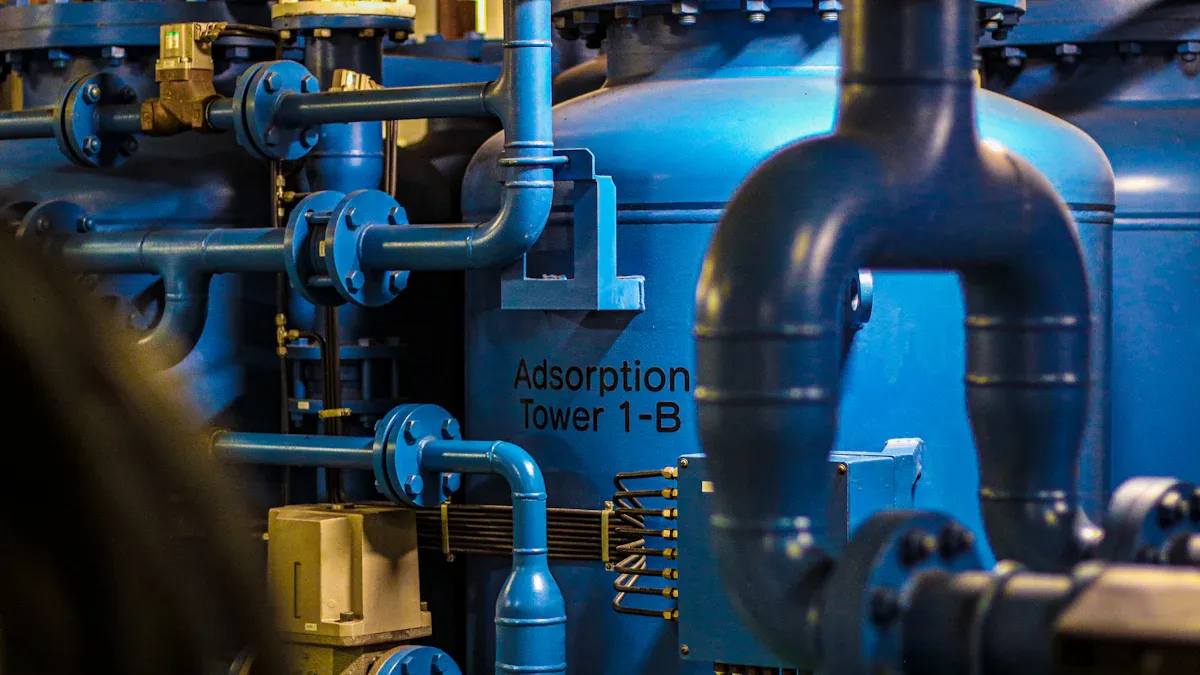
A cryogenic gate valve helps control very cold liquid gases. It is used for LNG and LPG at super low temperatures. These valves work in places as cold as −196°C. Regular valves cannot handle such cold. Cryogenic gate valves are made to open or close the flow all the way. When open, the liquid moves through easily with little blockage. When closed, the valve seals tightly to stop leaks, even when it is freezing.
Here is a table that shows how cryogenic gate valves compare to other industrial valves:
|
Feature/Aspect |
Cryogenic Gate Valve |
Other Industrial Valves |
|---|---|---|
|
Operating Temperature Range |
−50°C to −196°C |
Varies, usually above −50°C |
|
Functionality |
Full-bore flow when fully open |
May include throttling |
|
Applications |
LNG, air separation, hydrogen systems |
General industrial uses |
|
Sealing Integrity |
High sealing integrity required |
Varies, not always critical |
|
Thermal Shock Resistance |
Must withstand extreme thermal shock |
Not always needed |
|
Flow Resistance |
Low flow resistance |
May have higher resistance |
|
Structural Stability |
High stability in large pipelines |
May not be designed for large pipes |
Cryogenic gate valves are used in LNG and LPG systems. These systems need safe and steady control of cold liquid gases. The valves keep the gas inside and safe, even when it is very cold.
Cryogenic gate valves have many features that help you use LNG and LPG safely:
You can turn the flow of cold liquids on or off when needed.
The valve stops cold gas from escaping, which keeps things safe and protects the air.
You can use the valve to keep the right pressure in tanks or pipes.
The tight seal saves cold liquid and helps the system work better.
Cryogenic gate valves are special because of their design:
Extended bonnet: This part keeps the stem packing away from the cold. It stops freezing and keeps heat from moving in, so the gas stays stable.
Specialized materials: The valve uses stainless steel and nickel alloys. These metals stay strong and do not break in the cold.
Precision machining: The parts fit together well. This gives a good seal and stops damage from temperature changes.
Note: The extended bonnet is very important for cryogenic valves. It keeps moving parts warm and away from the cold liquid. This helps the valve last longer and work better in LNG and LPG systems.
LIANGGU VALVE makes sure every cryogenic valve is high quality. They use new design tools like AutoCAD and Solidworks. They test valves for both cold and hot conditions. The company has many patents for valve design. They also use special tests to make sure each valve works well. Customers trust LIANGGU VALVE for strong and safe valves in tough LNG and LPG jobs.
Design and Operation in LNG and LPG SystemsA cryogenic gate valve LNG LPG helps control very cold gas flow. These valves open all the way or close fully. This lets you start or stop the liquid gas. The design keeps the system safe and working well.
Cryogenic gate valves stay strong and seal tight, even when it is very cold.
The extended bonnet keeps the actuator and stem packing away from the cold. This stops them from freezing.
The valve stem packing sits far from the cold gas. This keeps ice from forming and helps the valve move easily.
The design cuts down on heat moving in. This saves energy and keeps the cold liquid steady.
Cryogenic valves work well in freezing places. The extended bonnet is a big part of the design. It protects moving parts and helps the valve last longer in LNG and LPG jobs. You get good performance and less chance of leaks.
The extended bonnet is important for every cryogenic gate valve LNG LPG. It keeps the stem and actuator warm and away from the freezing liquid. This stops the stem from freezing and helps the valve move well. The bonnet also helps save energy by stopping heat from coming in.
The extended bonnet keeps the stem seal and actuator safe from the cold.
The long stem uses insulation to keep the packing from freezing.
The bonnet design stops the cold liquid from turning into gas too soon. This keeps the process steady.
You need to pick the right materials for a cryogenic valve. The table below shows what is used in cryogenic gate valve LNG LPG construction:
|
Component |
Material Type |
|---|---|
|
Body |
Stainless Steel, Carbon Steel, ASTM A351 CF8M |
|
Seats |
PCTFE (Kel-F), reinforced PTFE |
|
Ball |
316L SS with electroless nickel plating |
|
Stem |
17-4PH precipitation-hardened stainless steel |
These materials stay strong when it is cold. Stainless steel and nickel alloys do not crack or break in the cold. Special seat materials like PTFE and PCTFE make a tight seal and stop leaks. This gives you a valve that works well in LNG and LPG systems.
You need high safety and reliability when using a cryogenic gate valve LNG LPG. LNG and LPG systems have high pressure and very cold temperatures. Cryogenic valves must meet strict safety rules. The table below lists some important standards:
|
Standard |
Description |
|---|---|
|
API 600 |
Sets rules for gate valve performance and safety. |
|
ASME B16.34 |
Covers valve design for cryogenic conditions. |
|
ISO 9001 |
Ensures quality in manufacturing. |
|
BS 6364 |
Checks reliability in low-temperature valve applications. |
You can trust LIANGGU VALVE for low temperature valve solutions that meet these standards. The company uses strong materials like austenitic stainless steel, nickel-based alloys, and titanium alloys. These materials do not rust and stay tough in the cold. Special sealing materials like PTFE and graphite keep the valve from leaking and let it bend without breaking.
Cryogenic valves face many problems in LNG and LPG service. Metals can get brittle and crack. Different parts shrink at different rates, which can cause stress. Corrosive gases can hurt the valve. You need a valve that can handle these problems. LIANGGU VALVE makes each cryogenic gate valve LNG LPG for high safety and reliability.
The company uses double-packing and flexible graphite packing for better sealing.
The design avoids sharp corners and uses strong materials to stop cracking.
The extended bonnet and special seats stop the stem from getting stuck and keep the seat from leaking.
You get low temperature valve solutions that last a long time and keep your system safe. Regular maintenance is easy because the valve uses soft seats that stay tight and do not stick. You can trust LIANGGU VALVE for reliable cryogenic valves in LNG and LPG systems.
Applications in LNG and LPG SystemsTip: Always pick certified cryogenic valves for LNG and LPG. This keeps things safe, reliable, and helps the valve last longer in cold places.
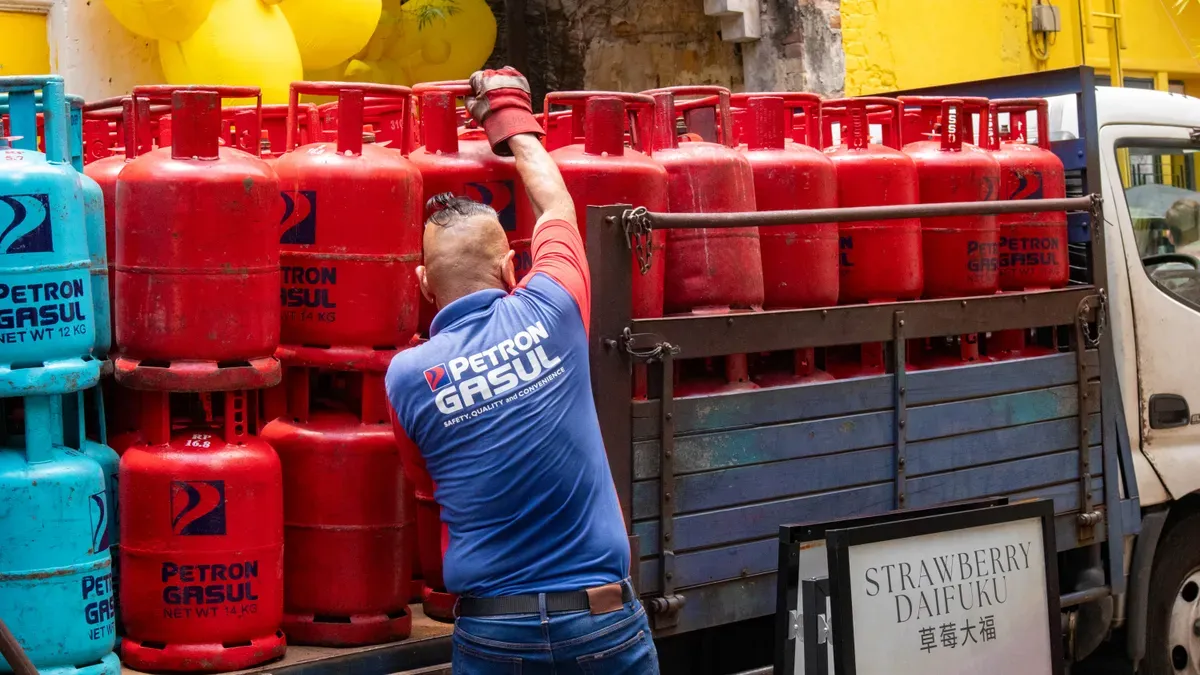
Cryogenic gate valves are used in many places in LNG and LPG systems. These valves help control liquefied gas flow at very cold temperatures. You use them to start or stop gas moving in tanks, pipes, and networks. The valves keep the system safe by stopping leaks and making sure the right amount of gas moves. You need these valves for isolation, filling, draining, and over-pressure relief. Their strong build and metal seals make them reliable and safe.
|
Application Area |
Valve Types and Functions |
|---|---|
|
Tank Storage |
Cryogenic fill and drain valves, isolation valves, over-pressure relief valves, vacuum-break valves |
|
Liquefaction Plant |
Cryogenic isolation valves, process control valves, compressor anti-surge valves |
|
Regasification Plant |
Cryogenic isolation valves, process control valves, pipeline valves |
|
LNG Tanker |
Cryogenic cargo valves, over-pressure relief valves, engine-room valves, cooling water valves |
Cryogenic gate valves are found in many industries. LNG plants use them to handle gas during liquefaction and regasification. LPG storage sites use these valves to keep gas safe and ready for transport. You also see them on tanker trailers and ships, where they help move LNG and LPG safely. Power plants, petrochemical factories, and water treatment facilities use cryogenic valves for low temperature valve solutions.
Some real examples include LNG plants using these valves for gas handling. Regasification plants use them to manage the change from liquid to gas. LPG storage and transport rely on these valves for safety and reliability. You can see their importance in oil and gas, metallurgy, and industrial gas production.
You want your LNG and LPG systems to be safe and reliable. LIANGGU VALVE offers certified cryogenic gate valves that meet strict standards. The company has lots of experience with big petrochemical companies and uses advanced manufacturing and testing. You get valves that last long, stop leaks, and work well in cold places. LIANGGU VALVE uses strong materials and an extended bonnet design to keep your system safe. You can trust their valves for storage, transfer, and distribution in LNG and LPG systems.
Tip: Always pick certified and tested valves for your LNG transfer lines. This keeps your system safe, efficient, and reliable for a long time.
You help keep LNG and LPG systems safe and working well. When picking a cryogenic gate valve, you should check for features that last a long time. Think about these key things:
The right temperature range and good materials
An extended bonnet and a strong seal
Safety and reliability certification
|
Benefit |
Description |
|---|---|
|
Enhanced Safety |
Stops leaks and keeps your system safe in cold conditions. |
|
Reliability |
Works well in very cold and high-pressure places. |
|
Efficiency |
Lets gas flow smoothly in tough LNG and LPG jobs. |
If you choose a certified valve from LIANGGU VALVE, you know you are getting new technology and good quality.
FAQCryogenic gate valves are used for very cold liquids. They have an extended bonnet and special materials. These features help the valve stay safe in freezing places.
To test cryogenic valves, you cool them to low temperatures. You check if there are leaks and if the valve moves right. This makes sure the valve works well in LNG and LPG systems.
Cryogenic ball valves can be used for LNG and LPG. They handle cold temperatures and make tight seals. These valves are good for stopping and controlling the flow.
Certified cryogenic valves help keep your system safe. They meet strict rules and stop leaks. These valves work well in cold places and are reliable.
Stainless steel and nickel alloys are best for cryogenic valves. These materials stay strong when it is cold. They do not crack and last a long time.